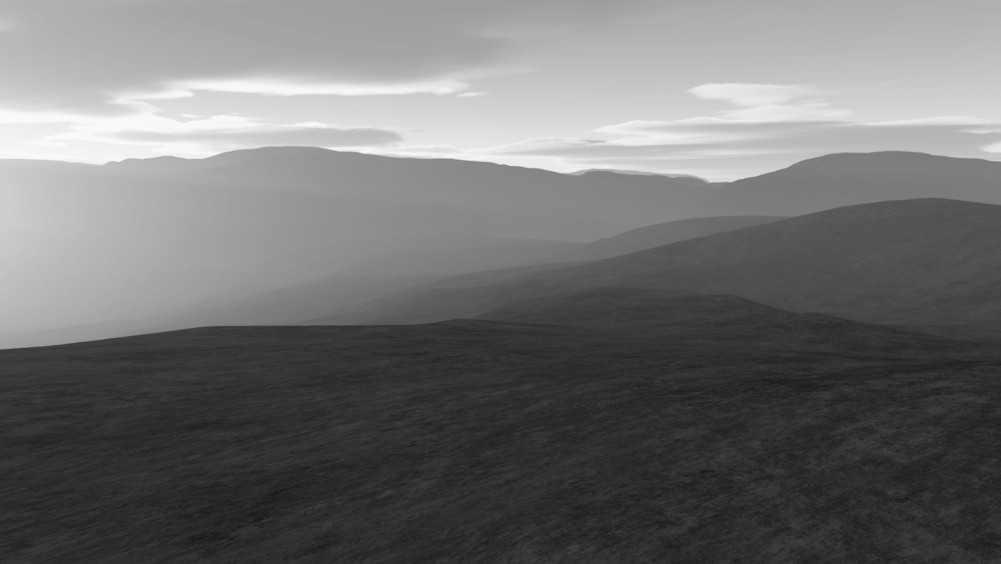
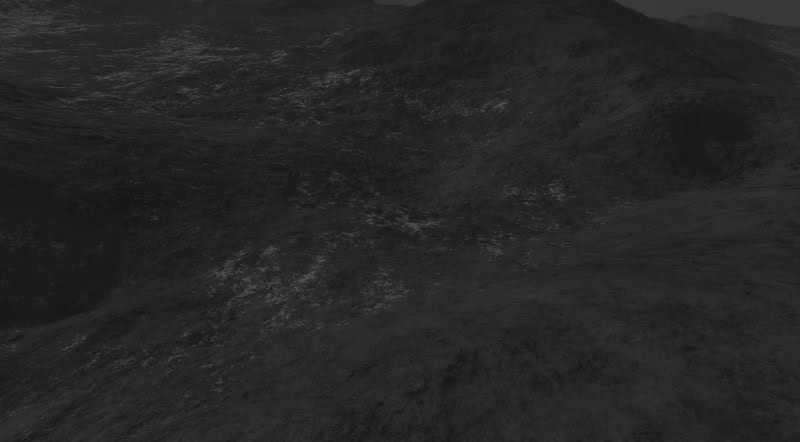
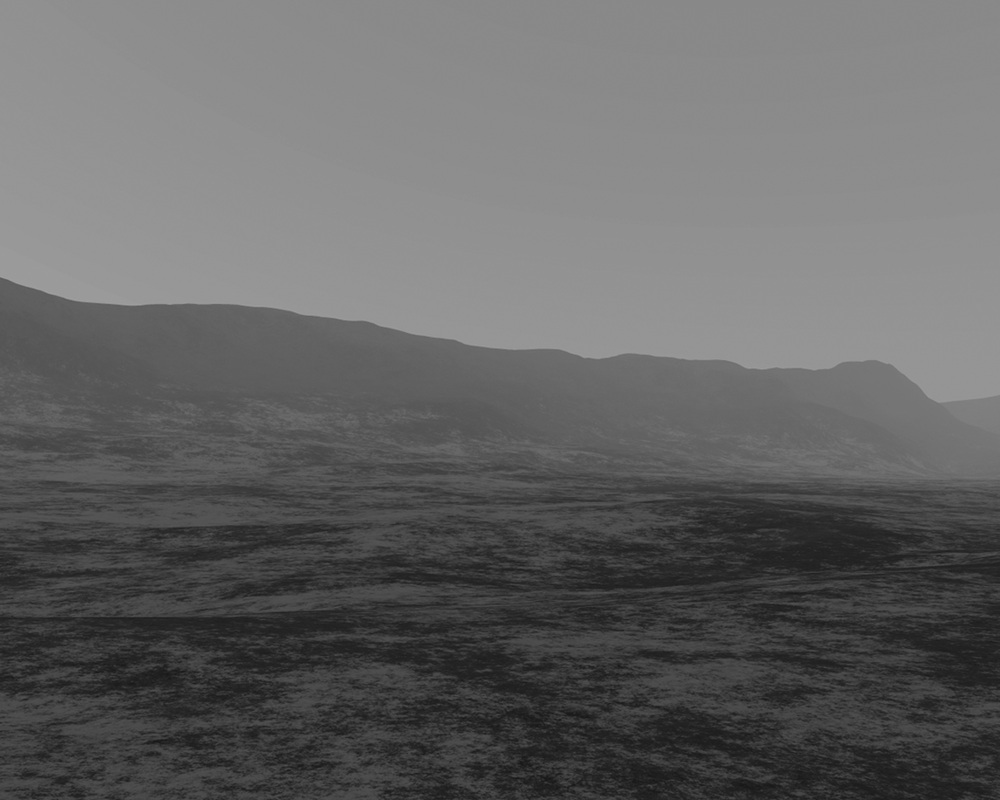
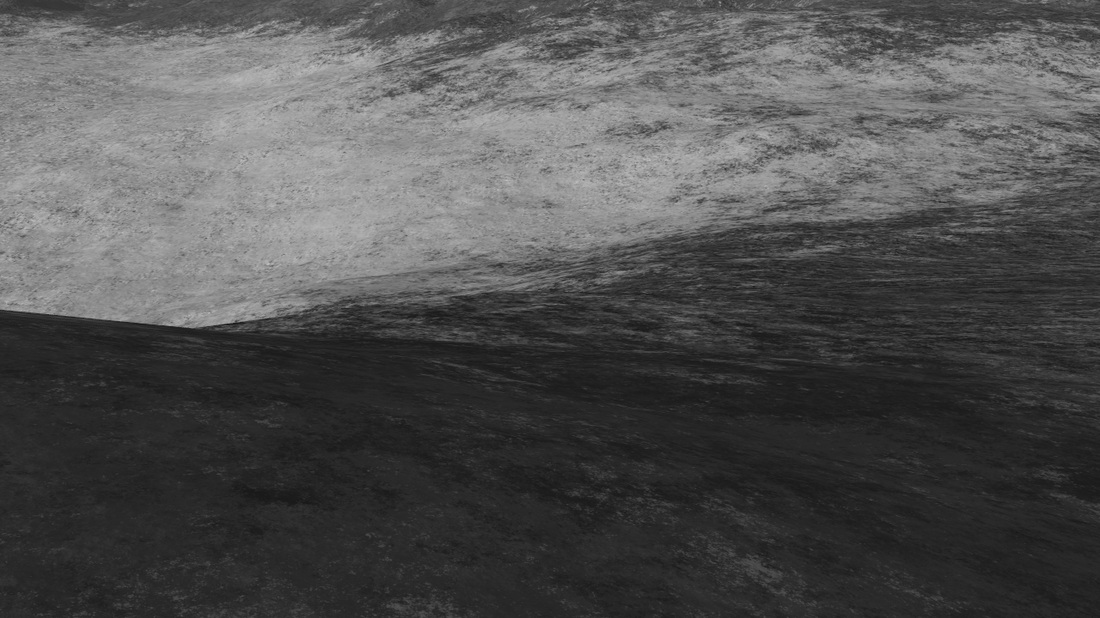
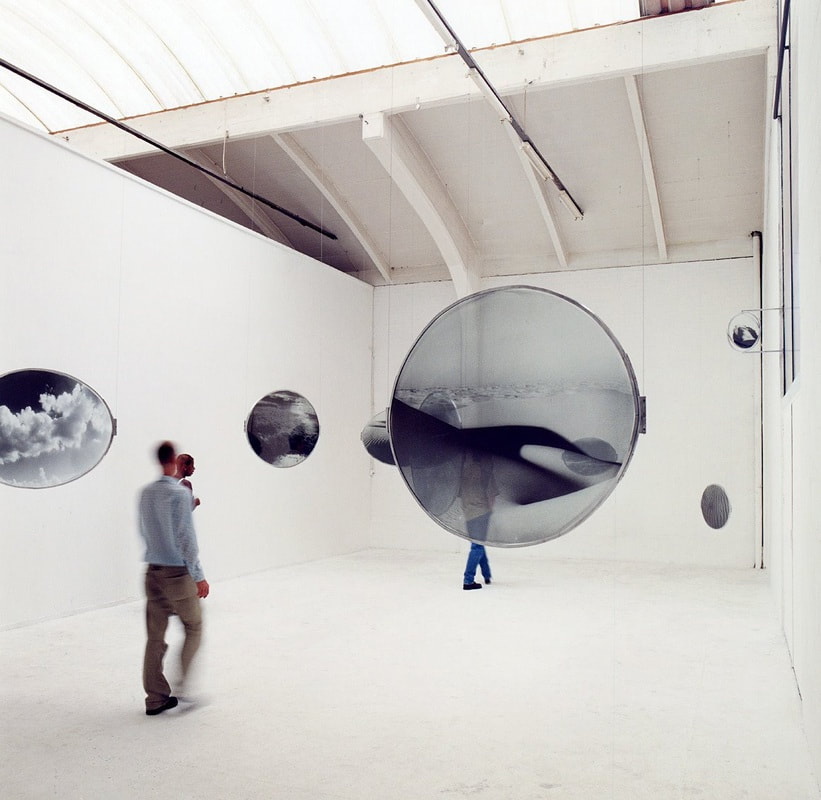
THE END AND THE BEGINNING OF TIME 2021 - 2025
in collaboration with the Dutch musician REINIER VAN HOUDT
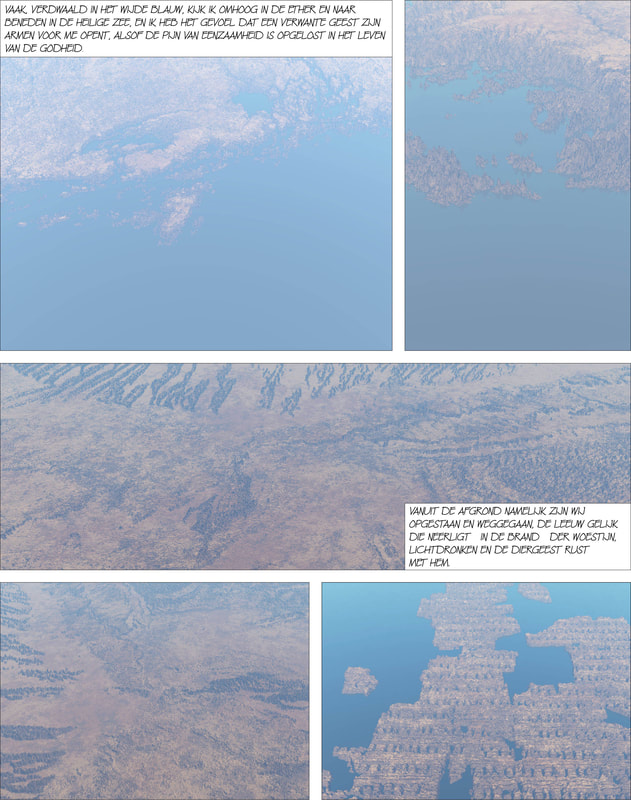
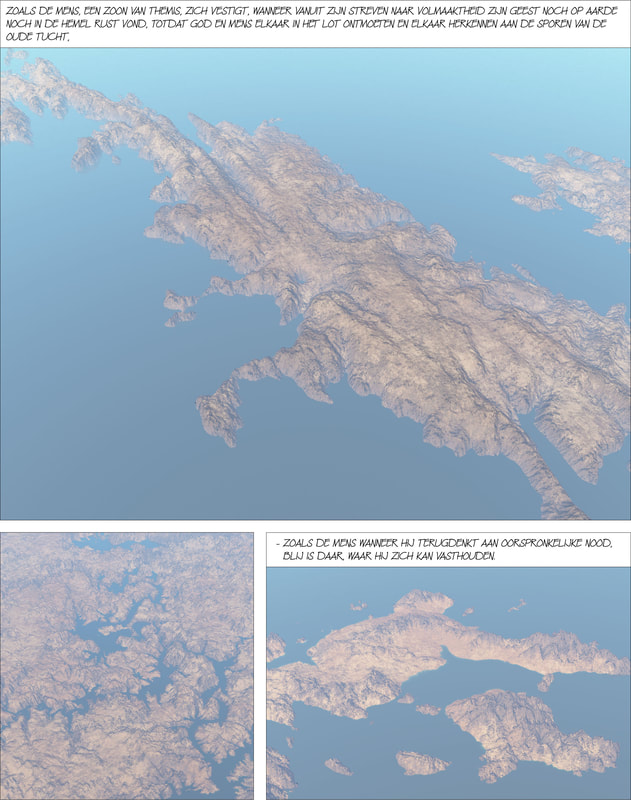
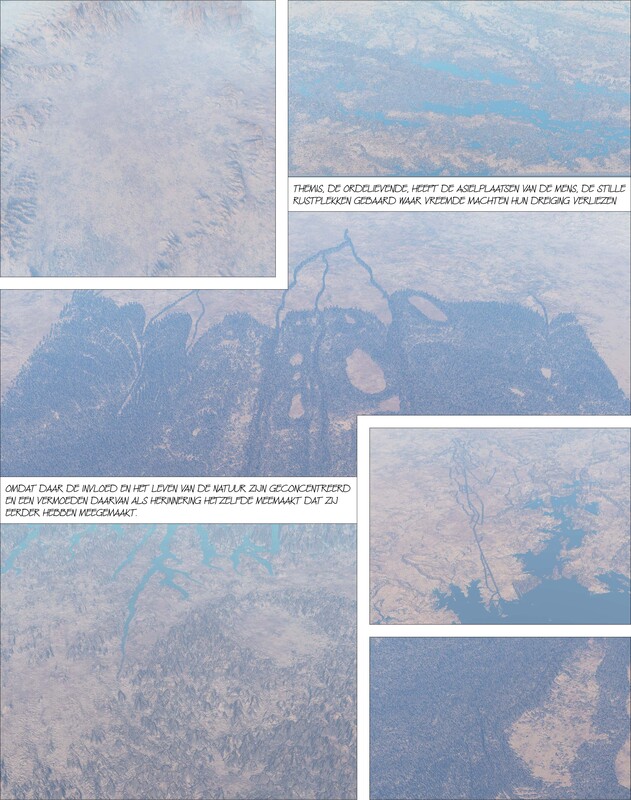
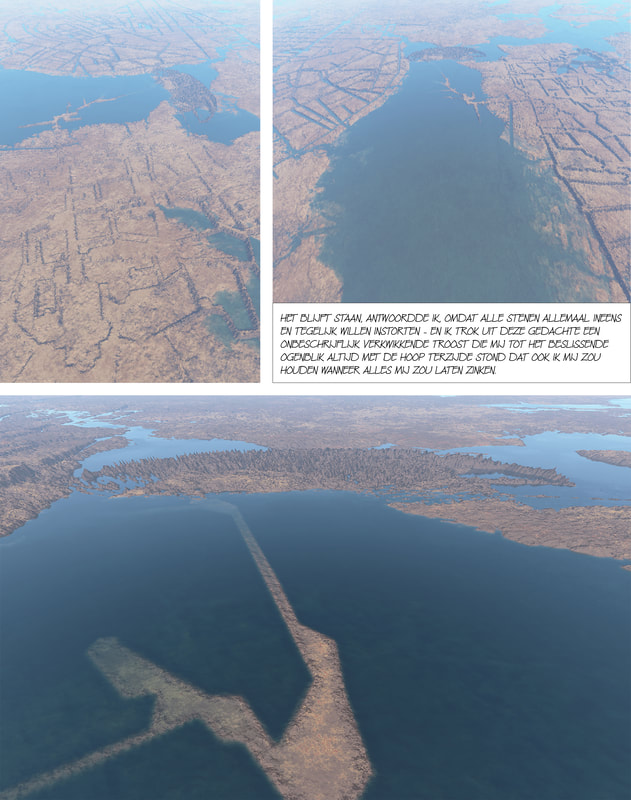
linear time-based circular film animation
in collaboration with the Dutch musician REINIER VAN HOUDT
linear time-based circular film animation
|
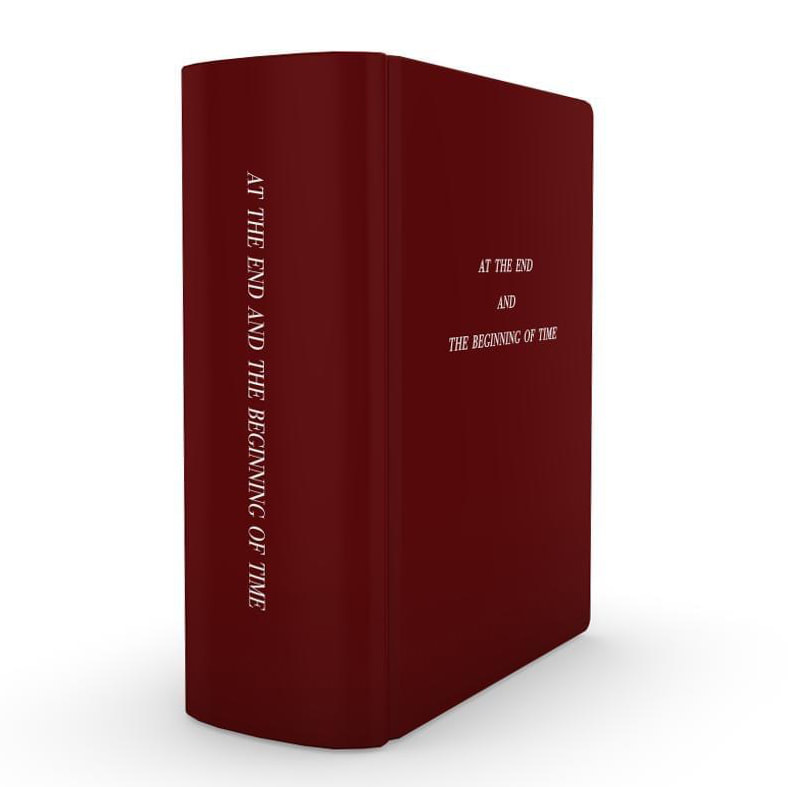
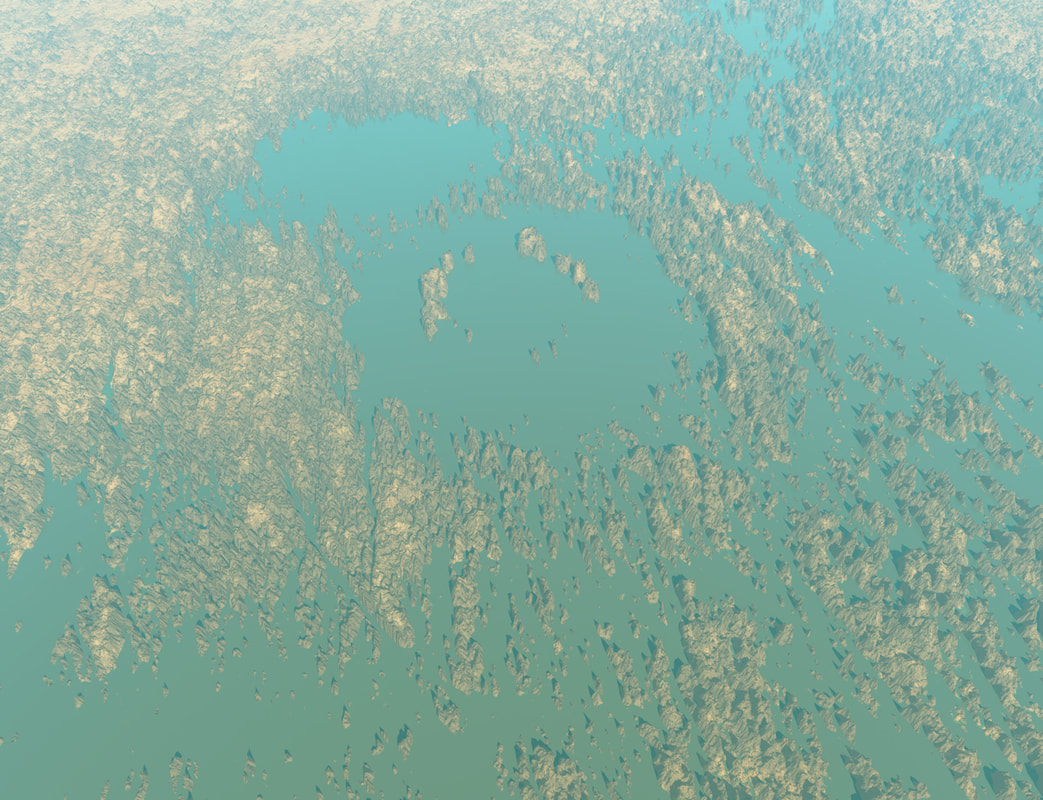
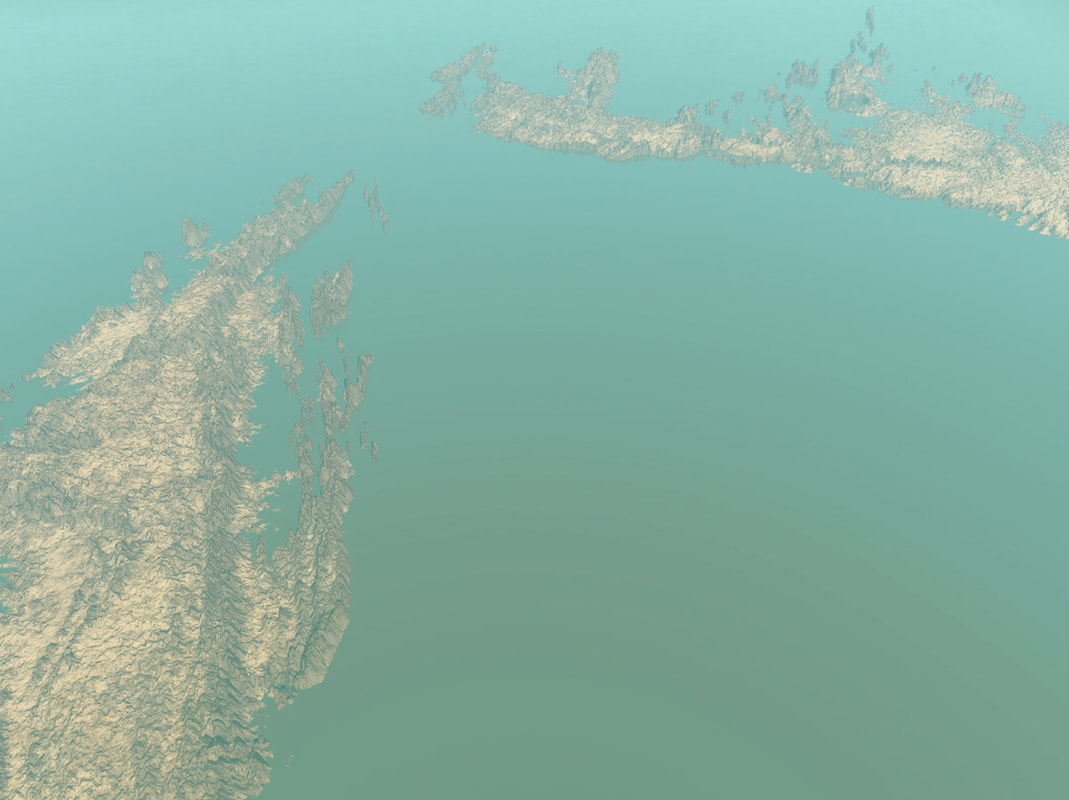
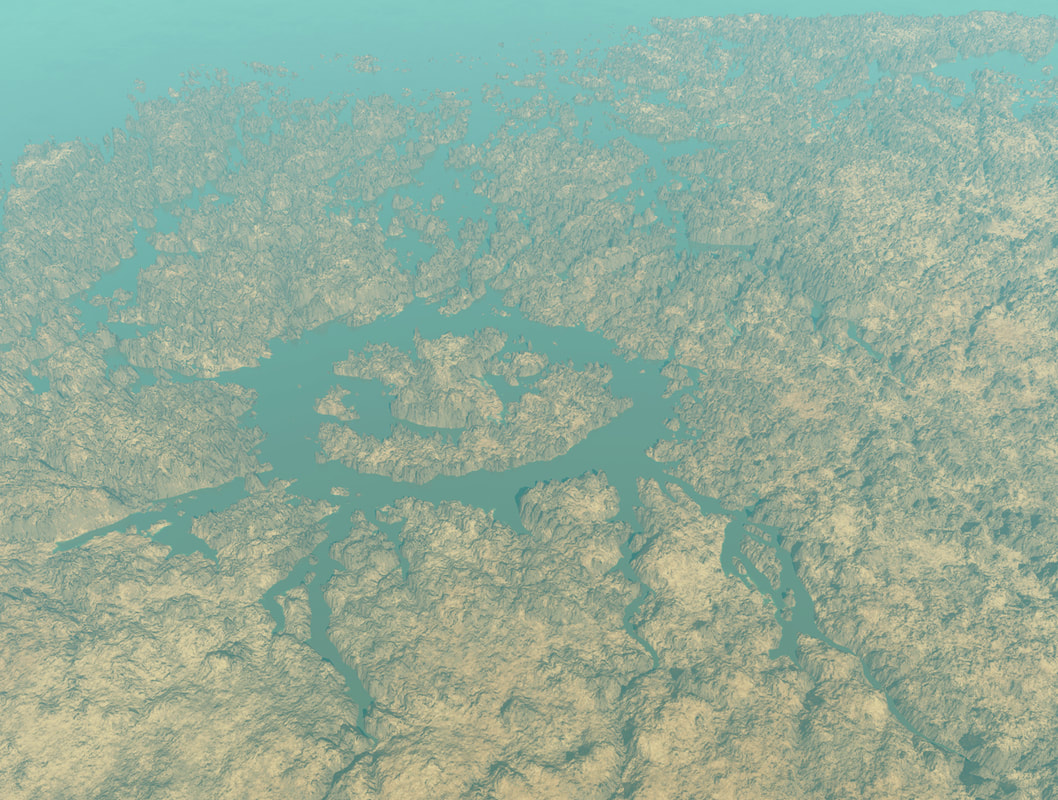
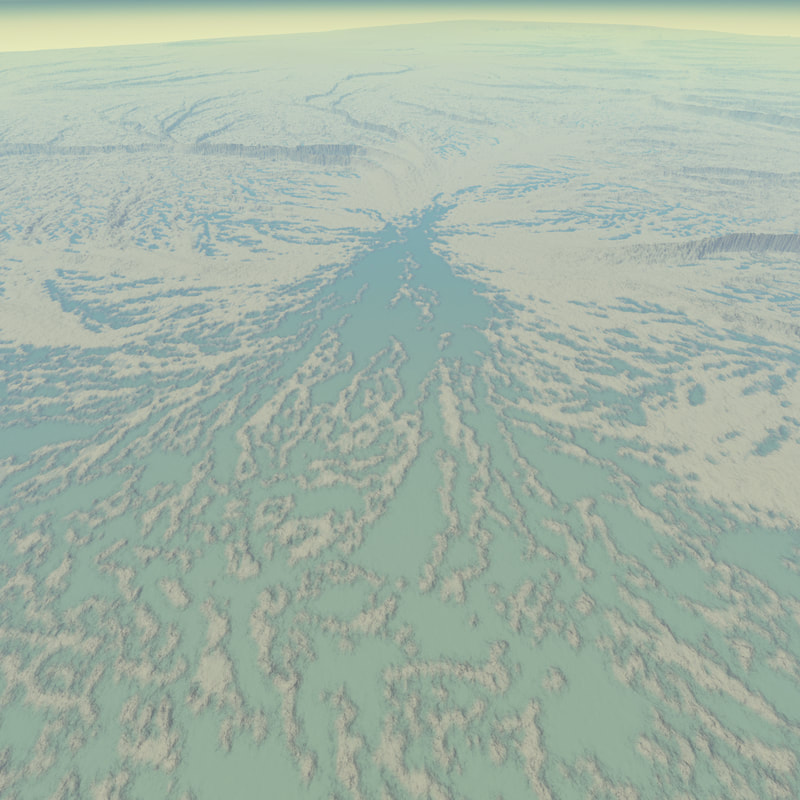
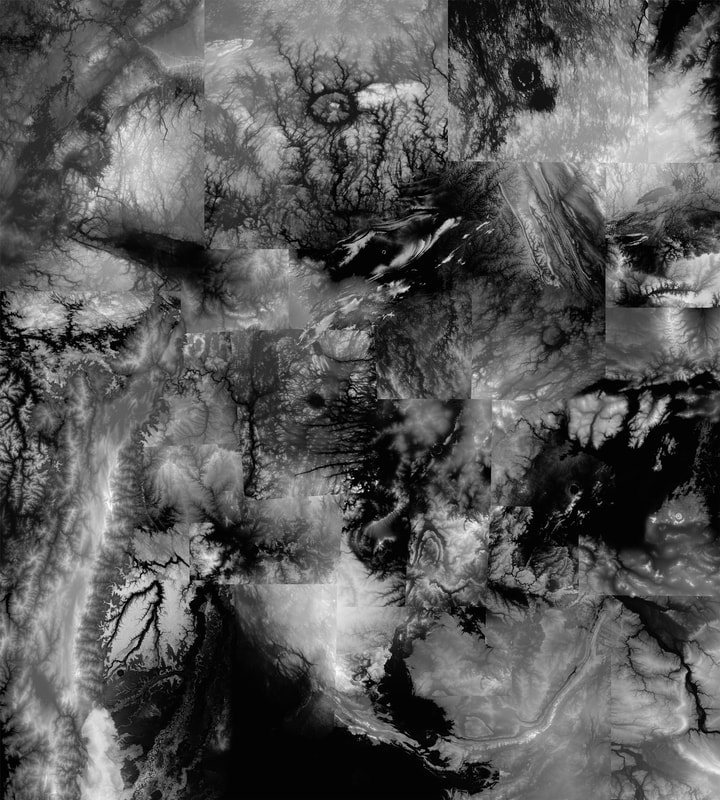
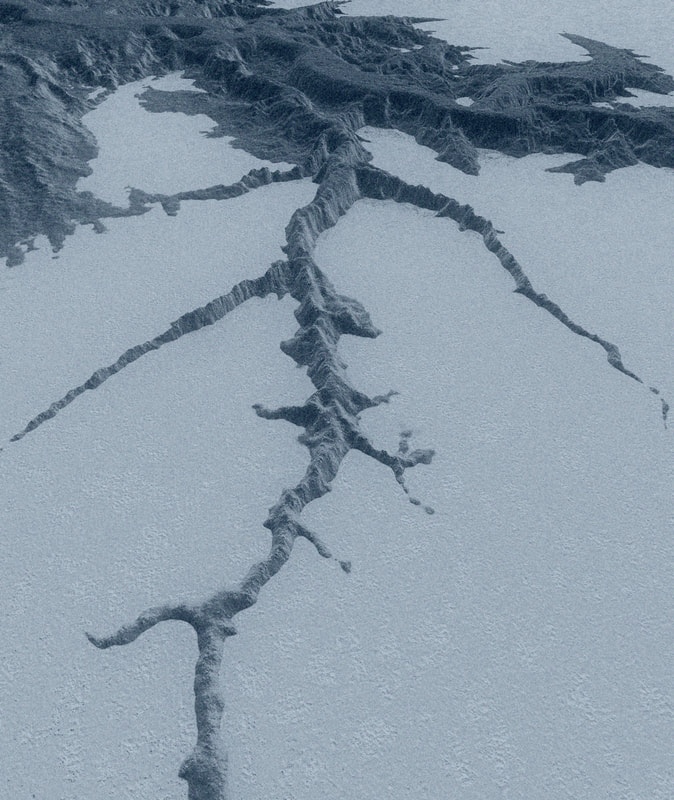
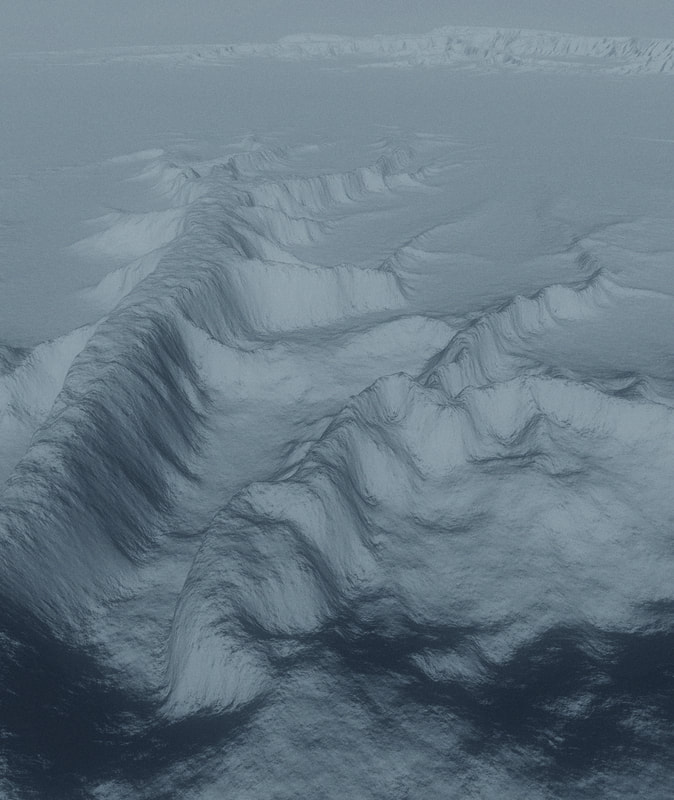
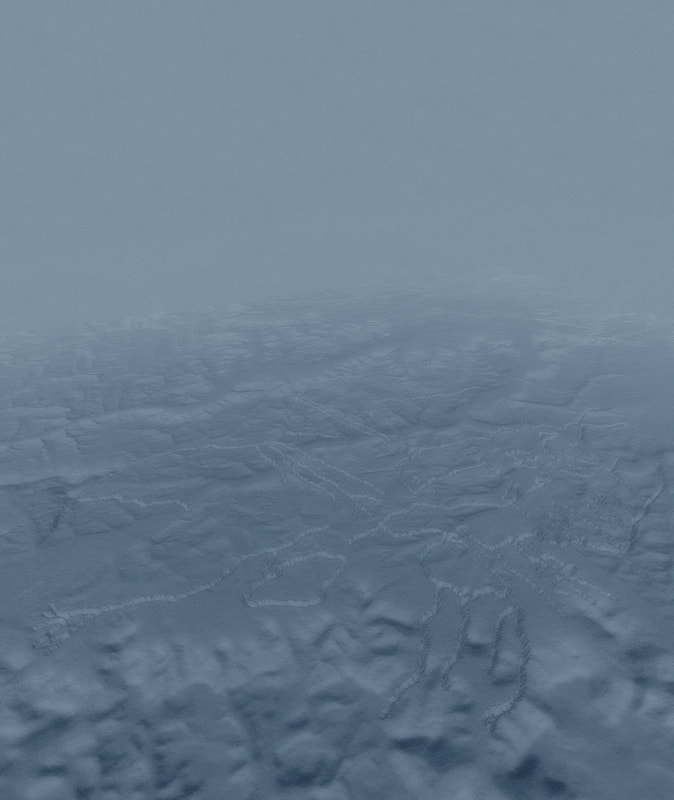
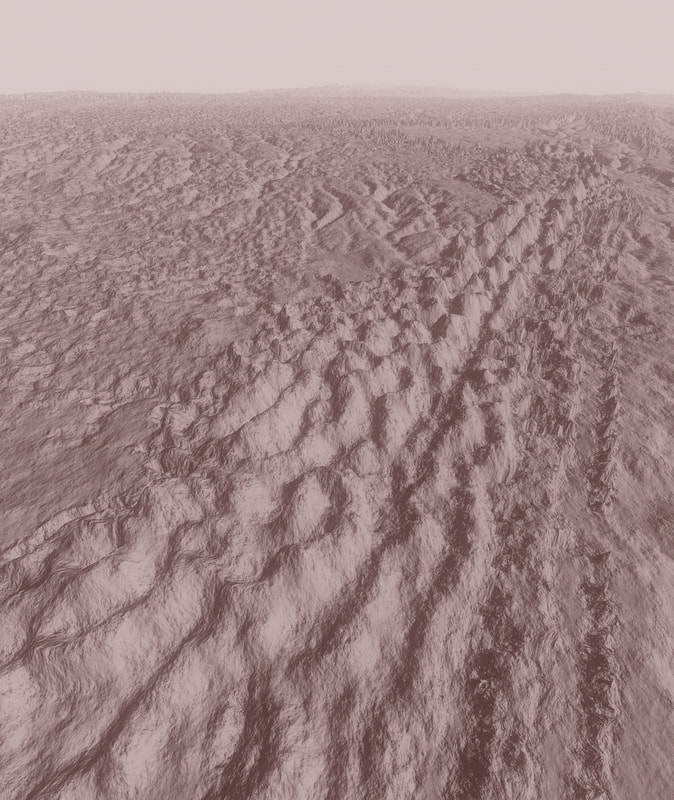
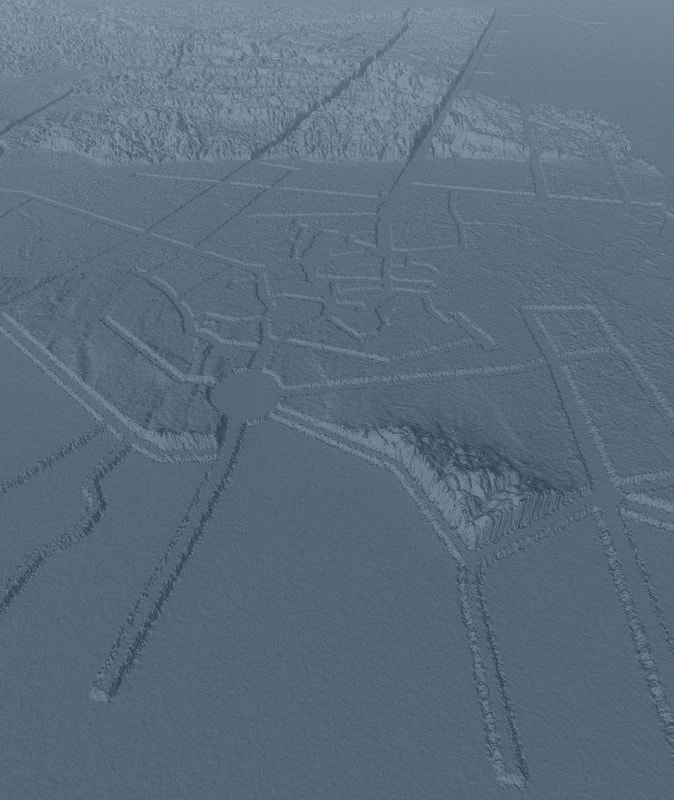
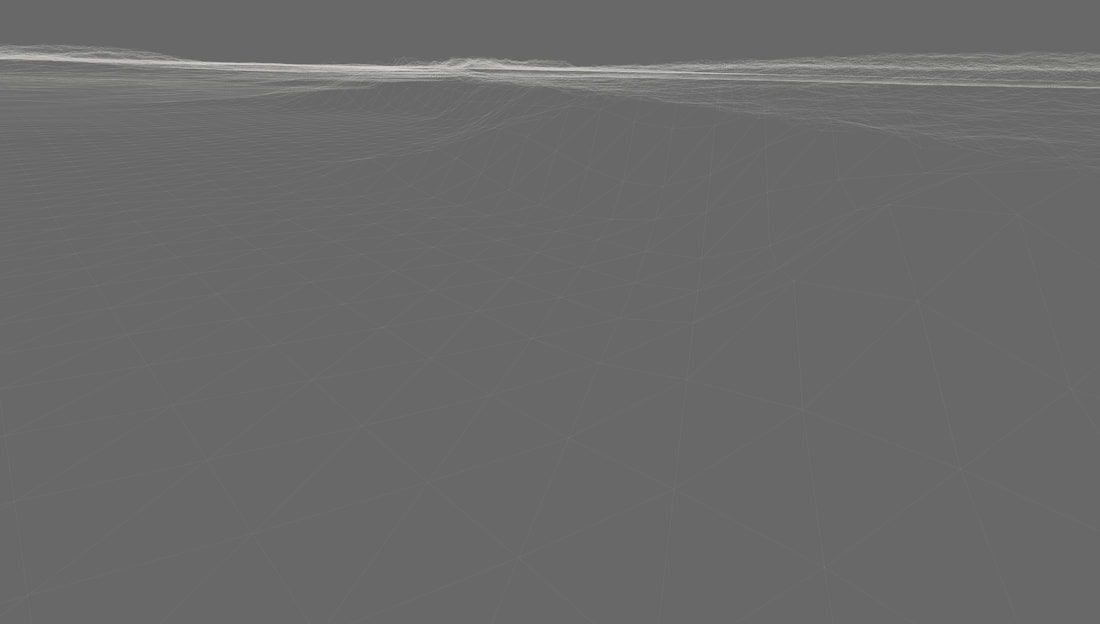
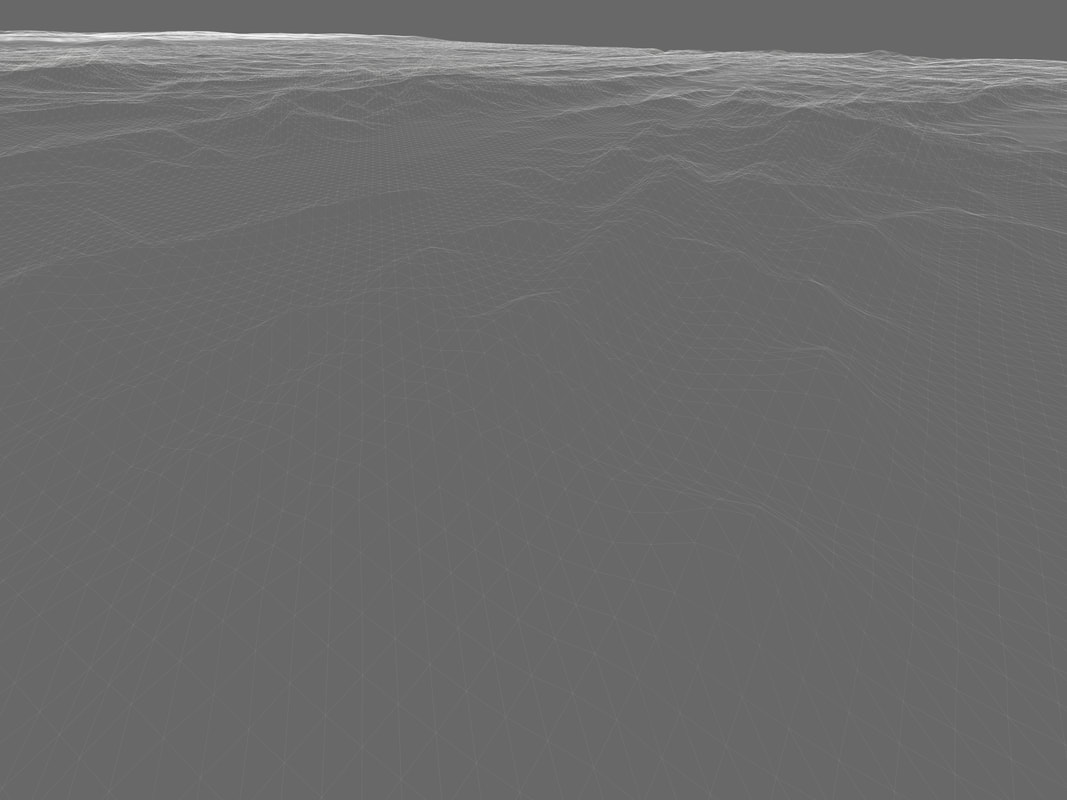
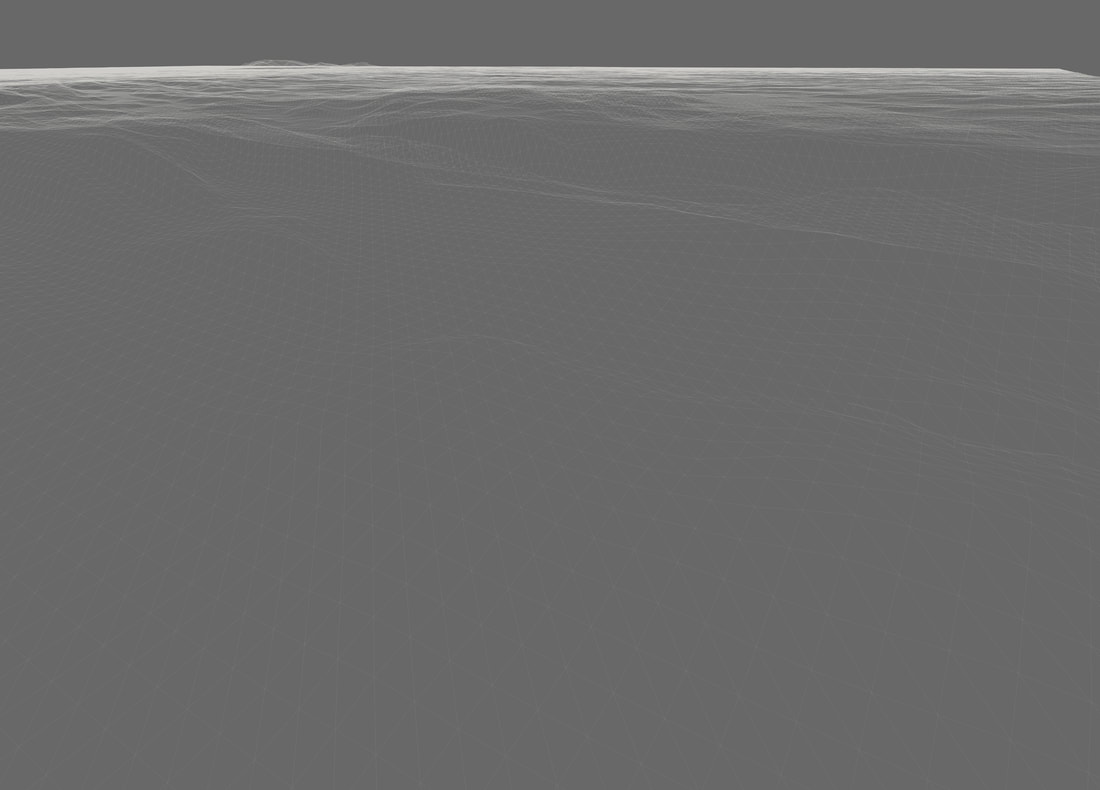
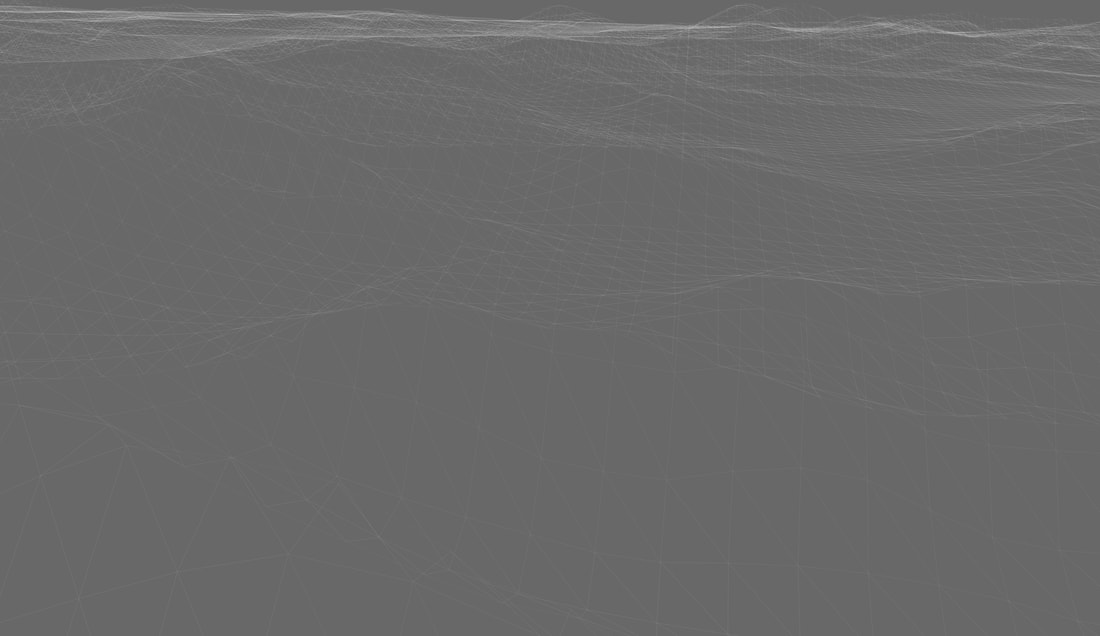
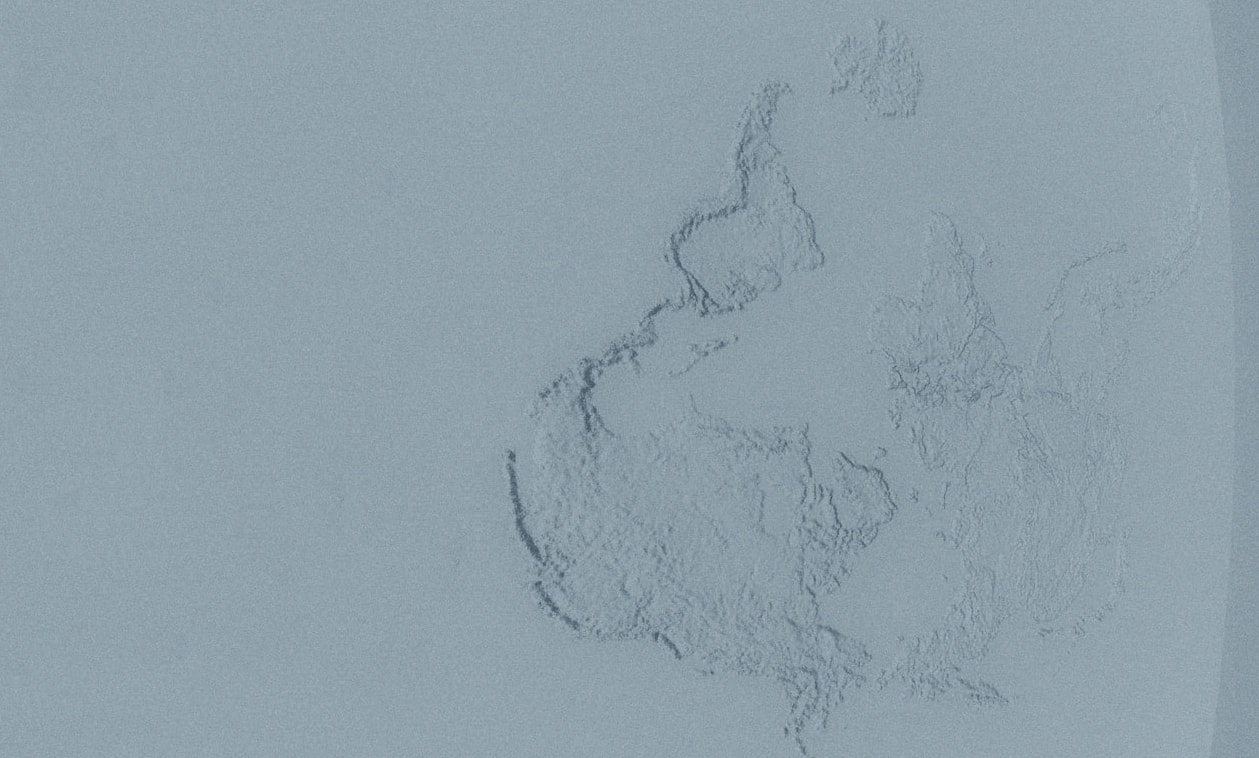
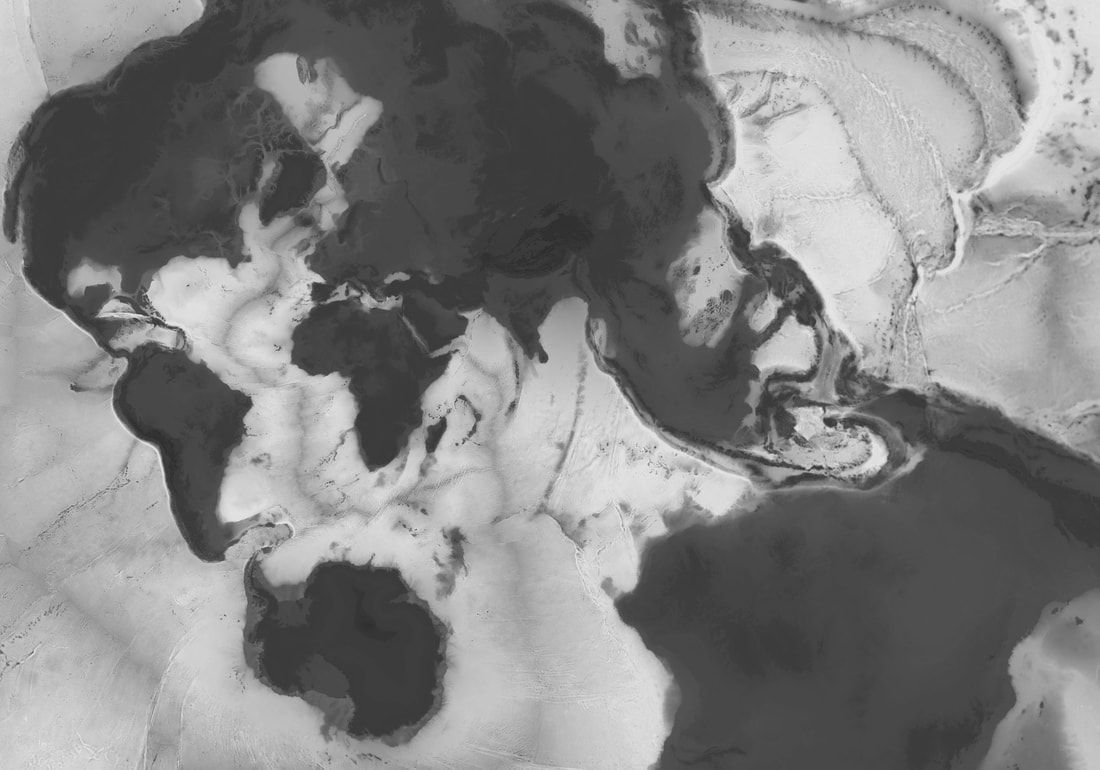
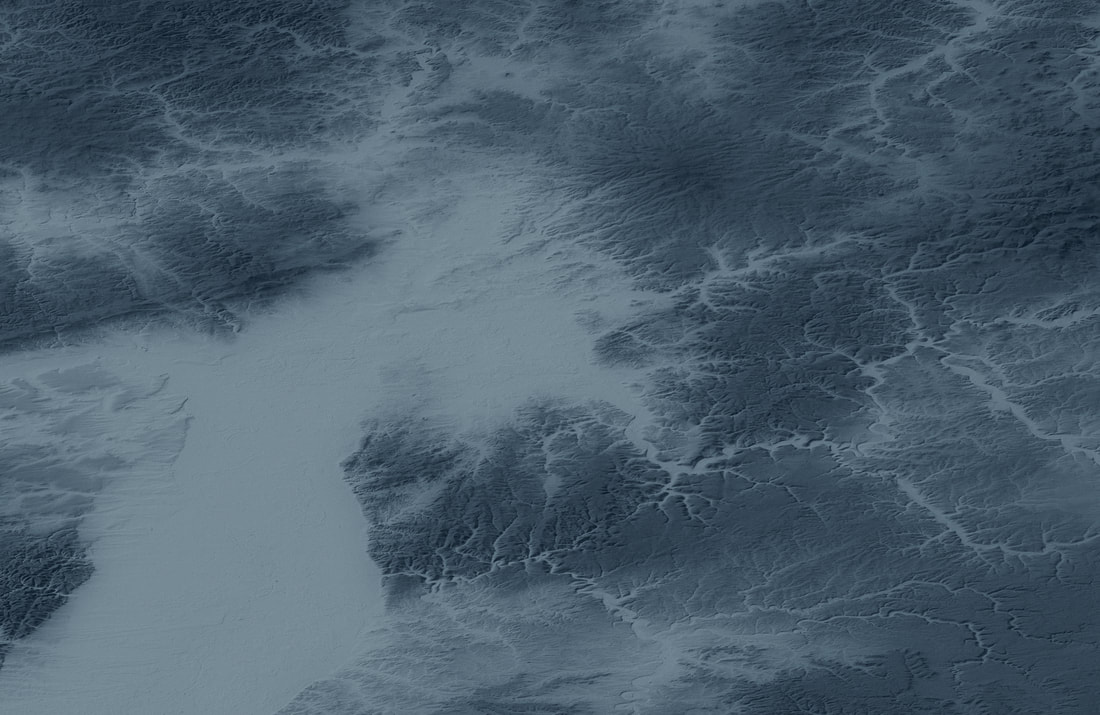
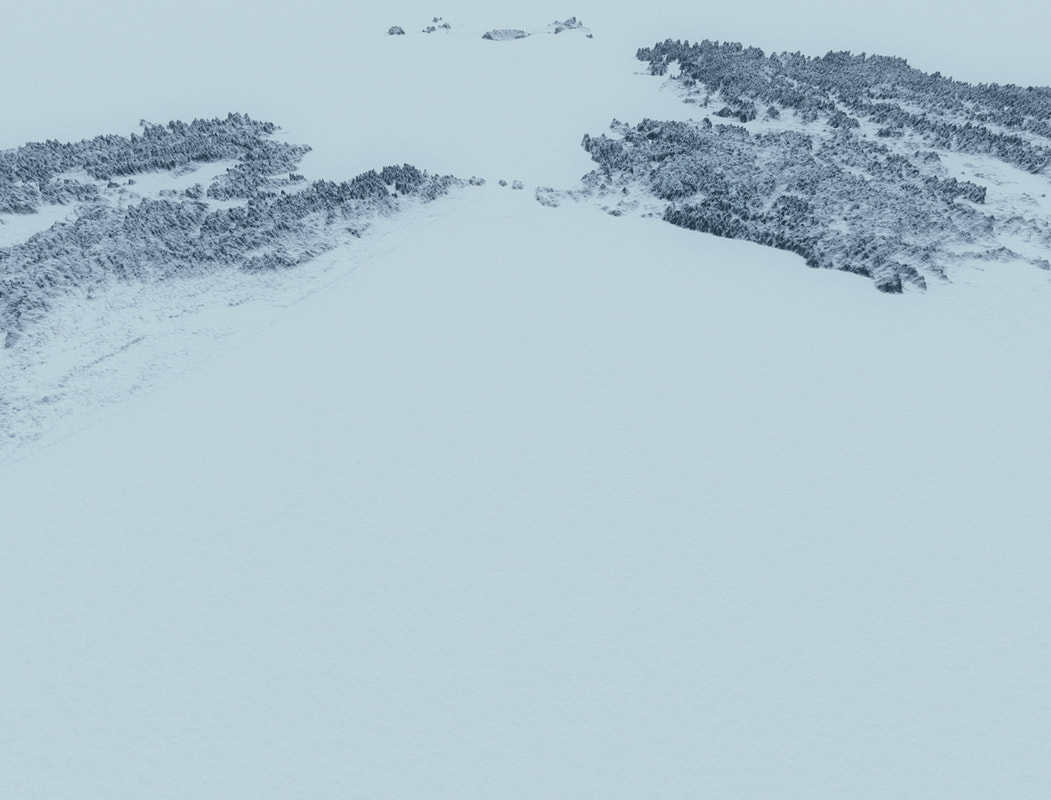
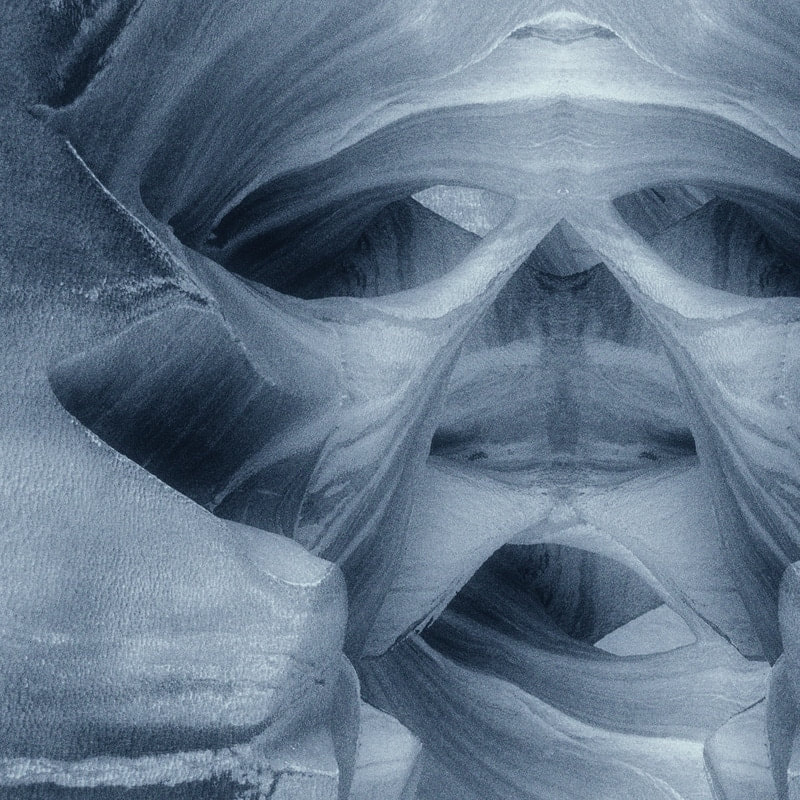
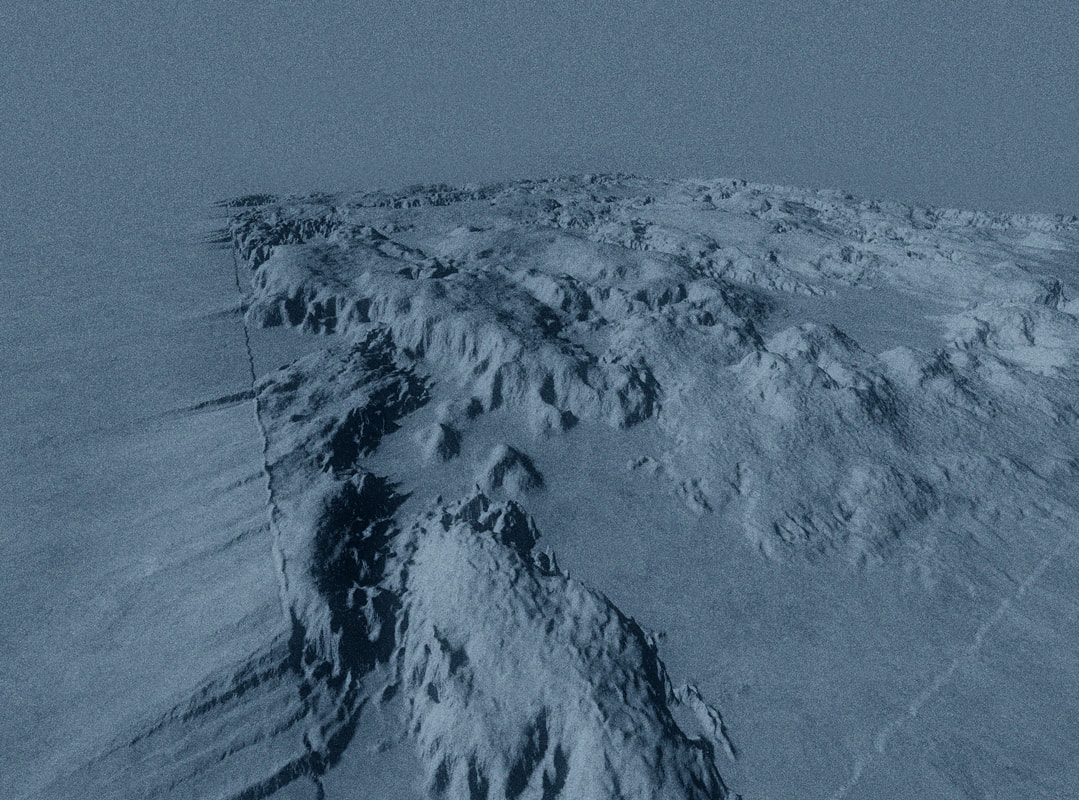
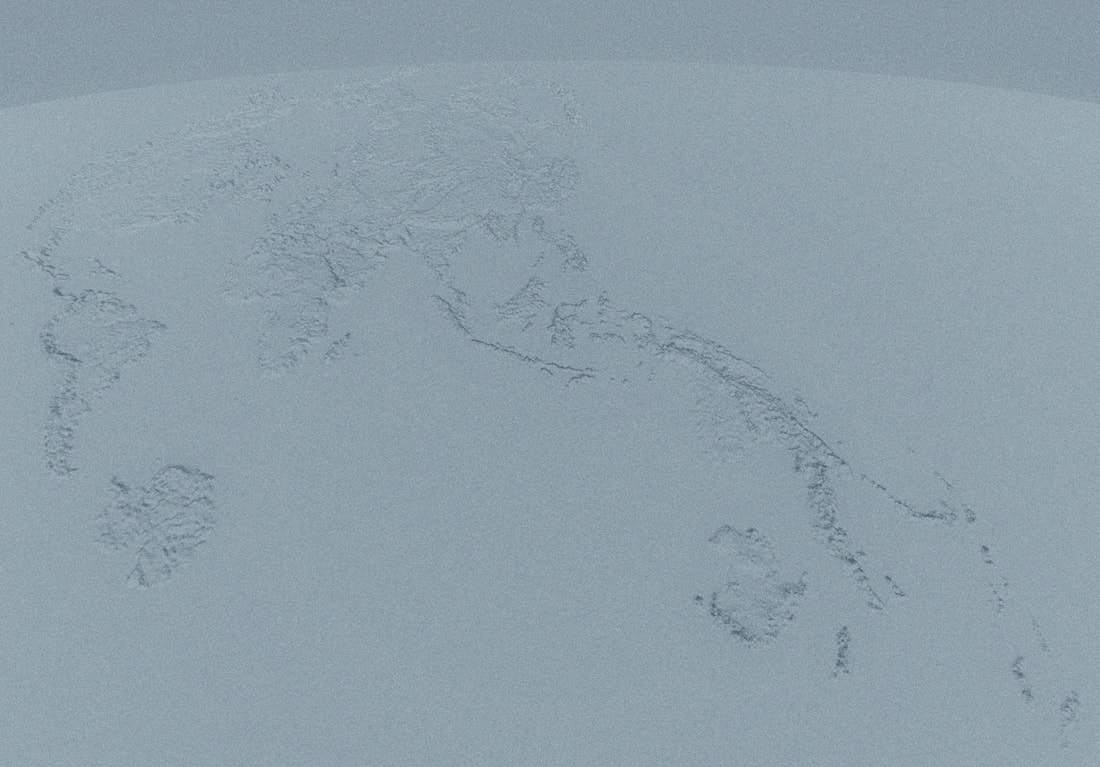
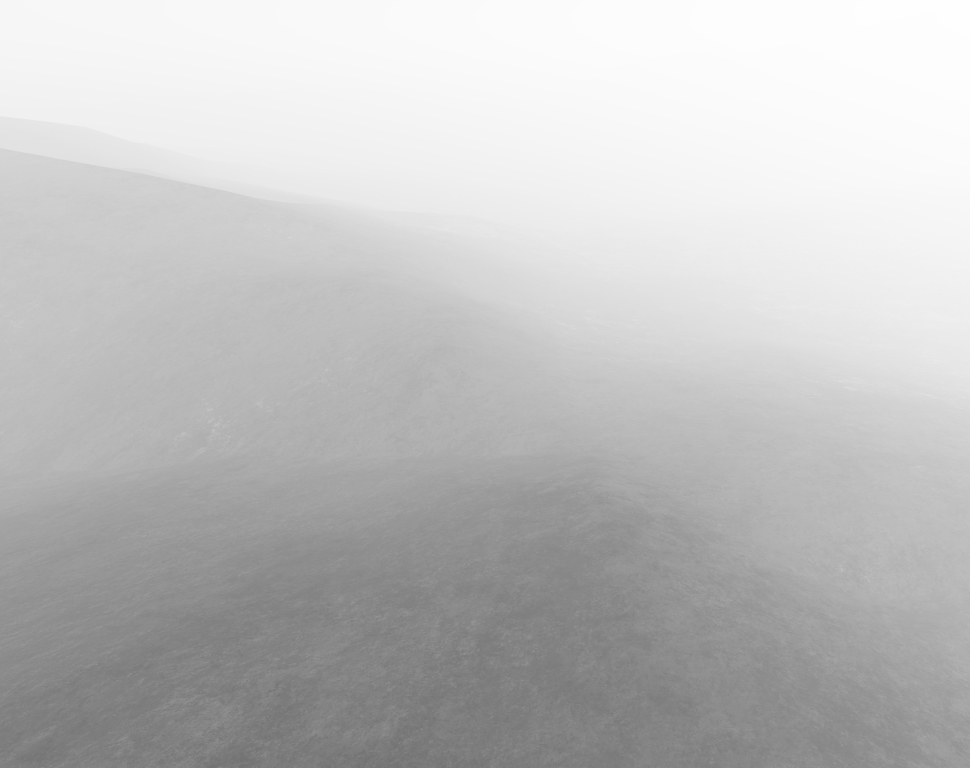
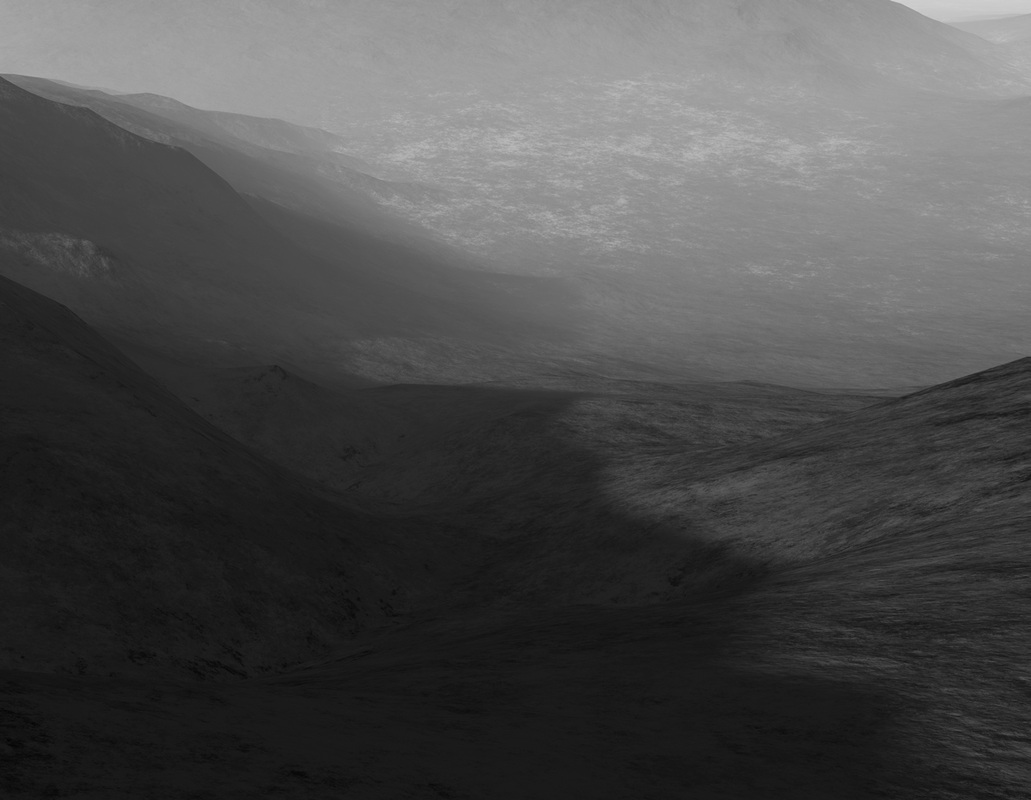
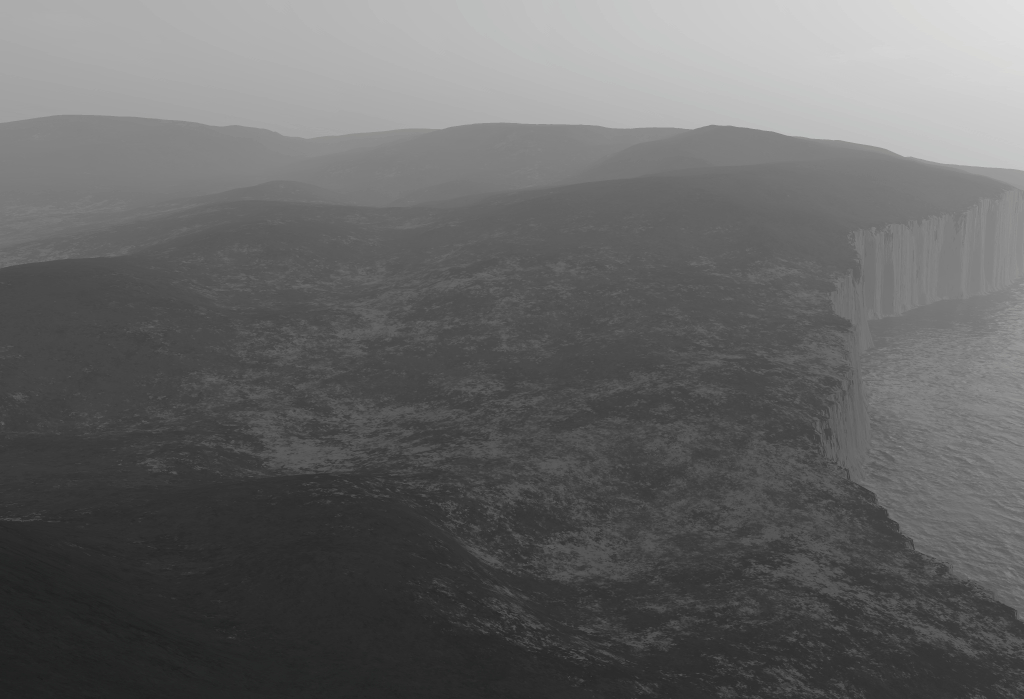
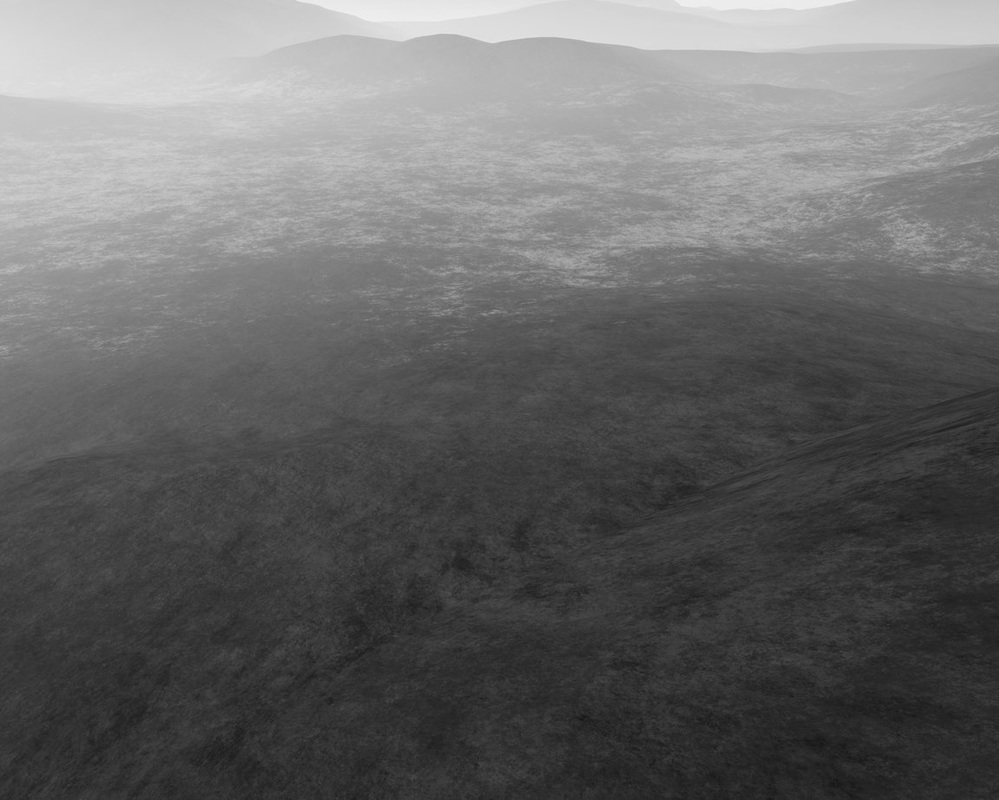
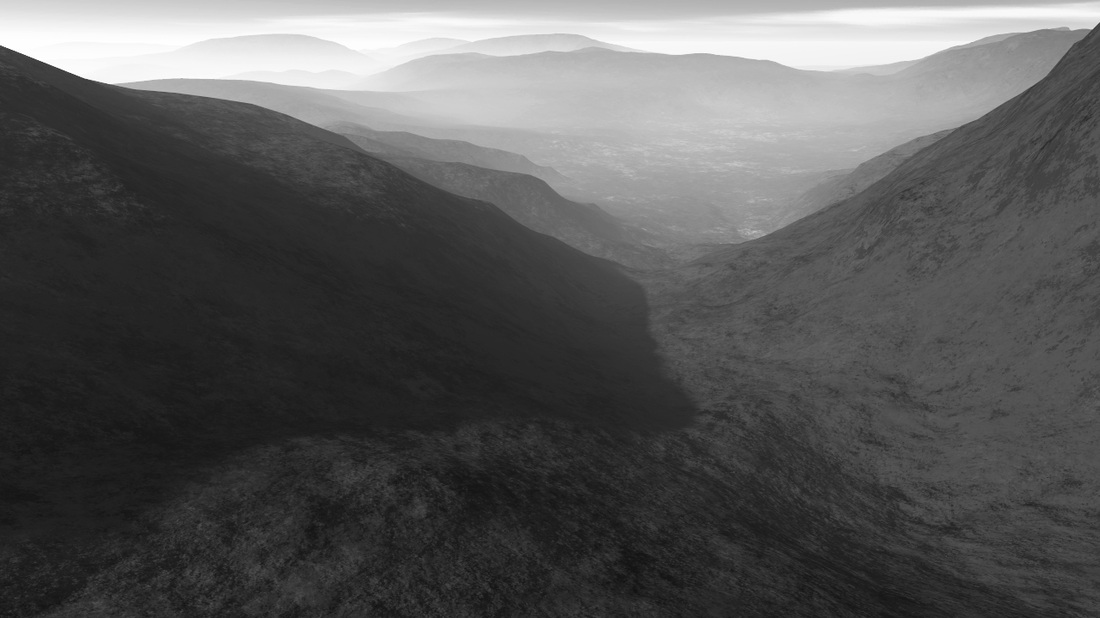
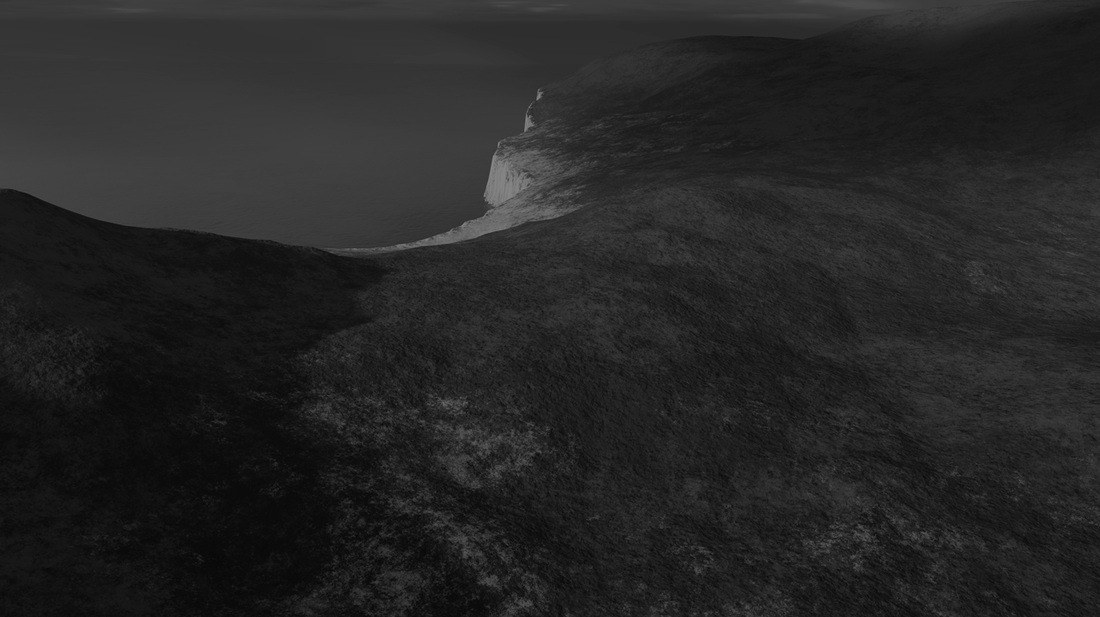
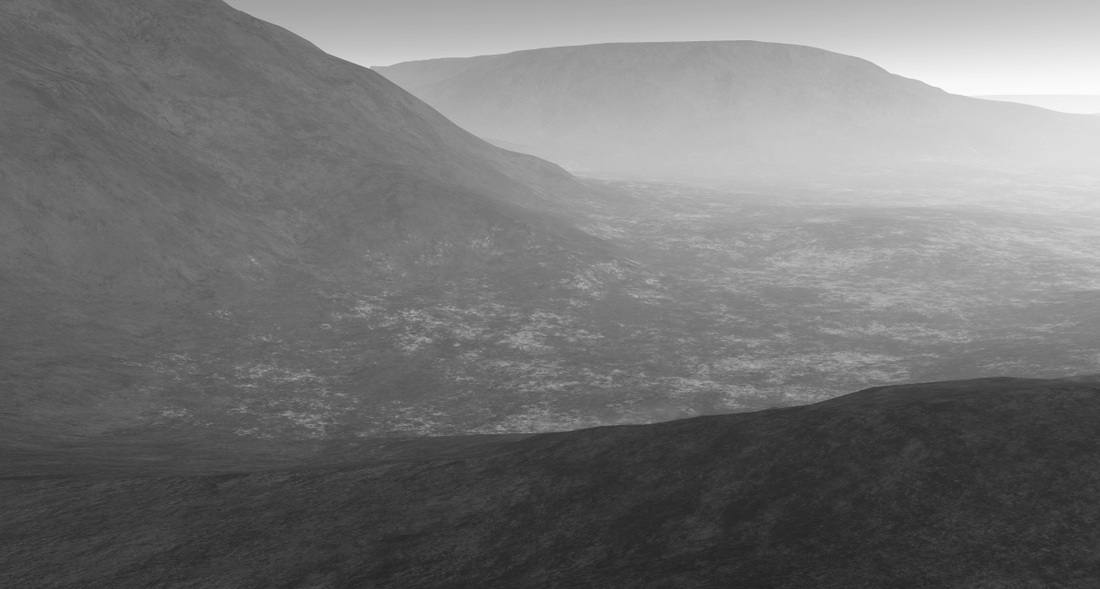
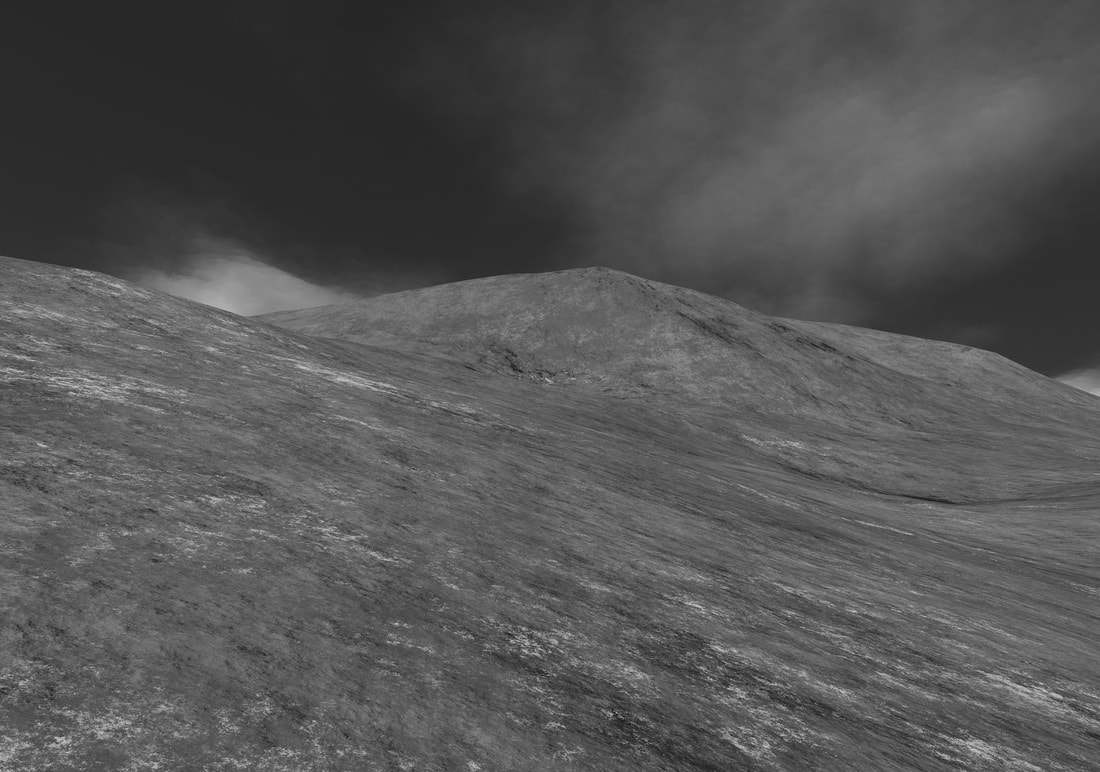
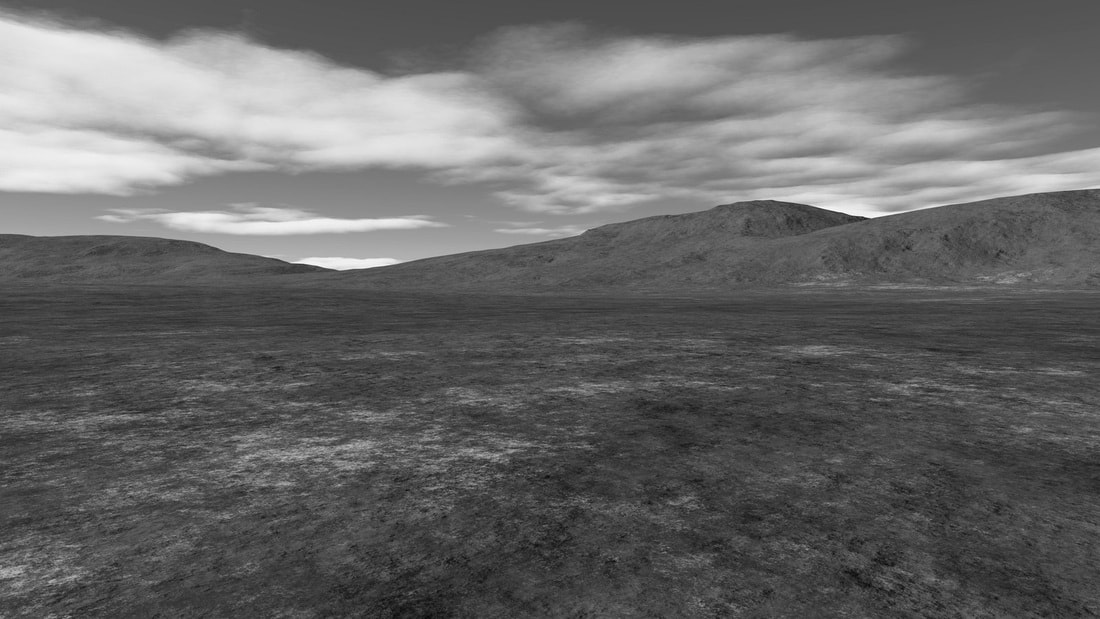
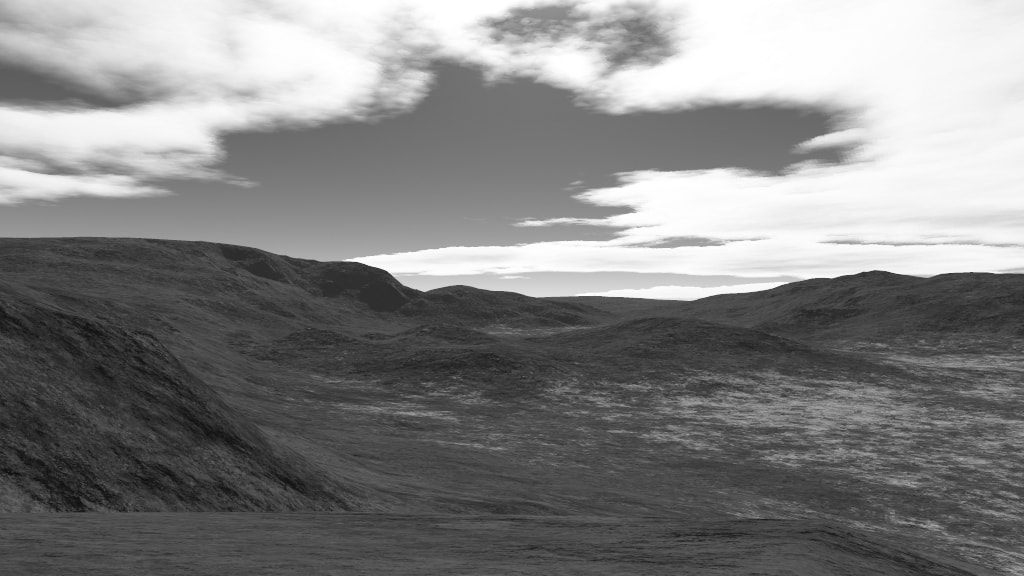
The end and the beginning of time is a film animation in which a virtual camera makes an inimitable circular movement, while the 'filmed' virtual world also goes through a cycle. R.v.H.
|
|
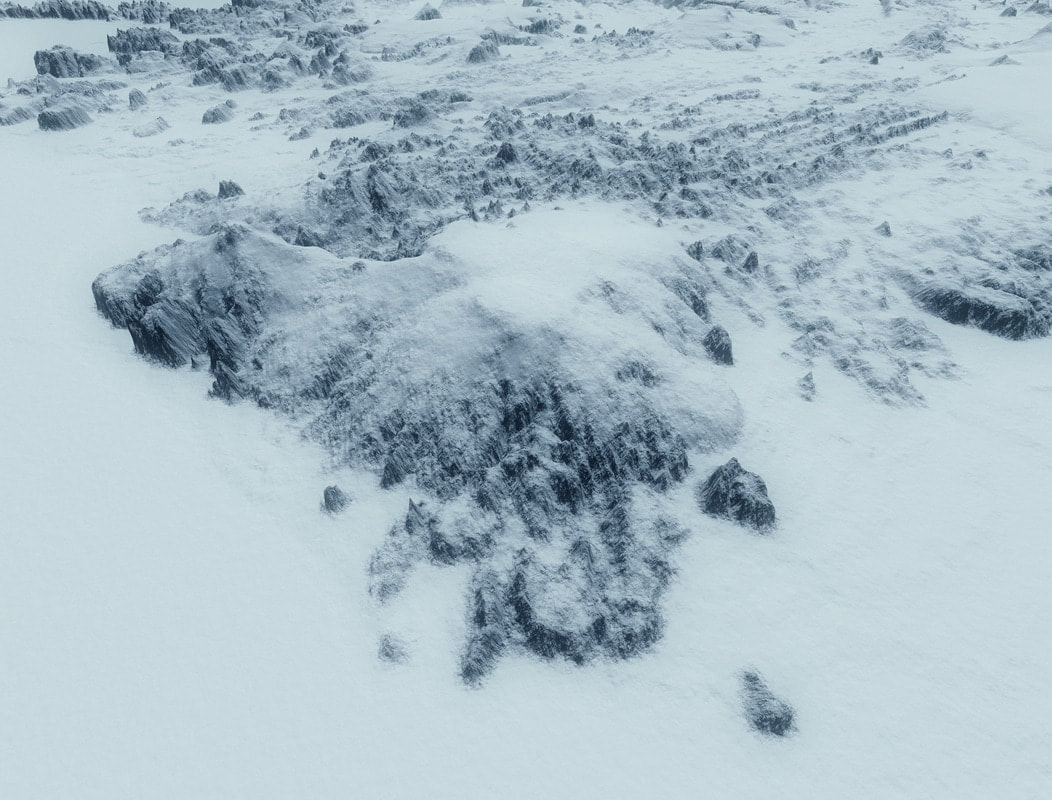
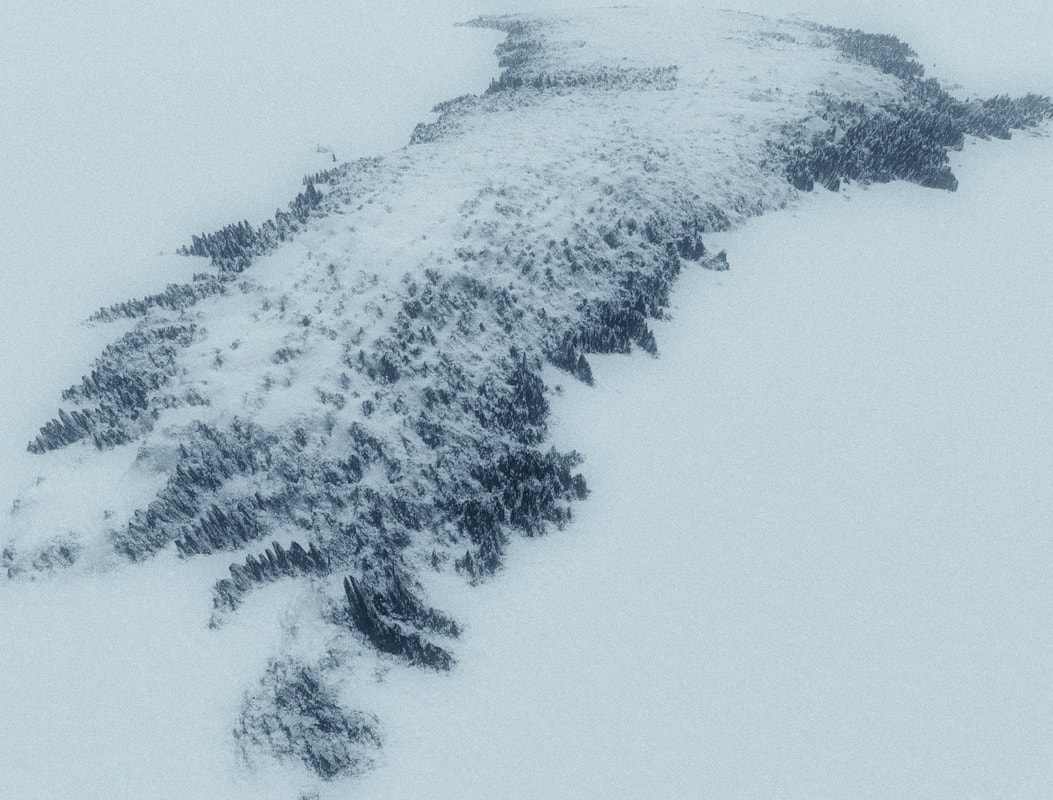
IF I DIE, YOU GONNA DIE TOO 2022 - 2024
a topological view of matter, defined by geometric order and degenerate ground
double triptych consisting of two works each
IF I DIE, YOU GONNA DIE TOO 2022 land resource
digital surface work file 2022 | Second issue in the anatomy of rudimentary infinity and forgot the first one as the question indicates 2024 | AD FONTES, OCULIS TUIS EAM VIDERE (at the sources, see it with your own eyes) 2024
SANS INTITULÉ 2023
POSSIBLE ENVIRONMENTS 2020 - 2022
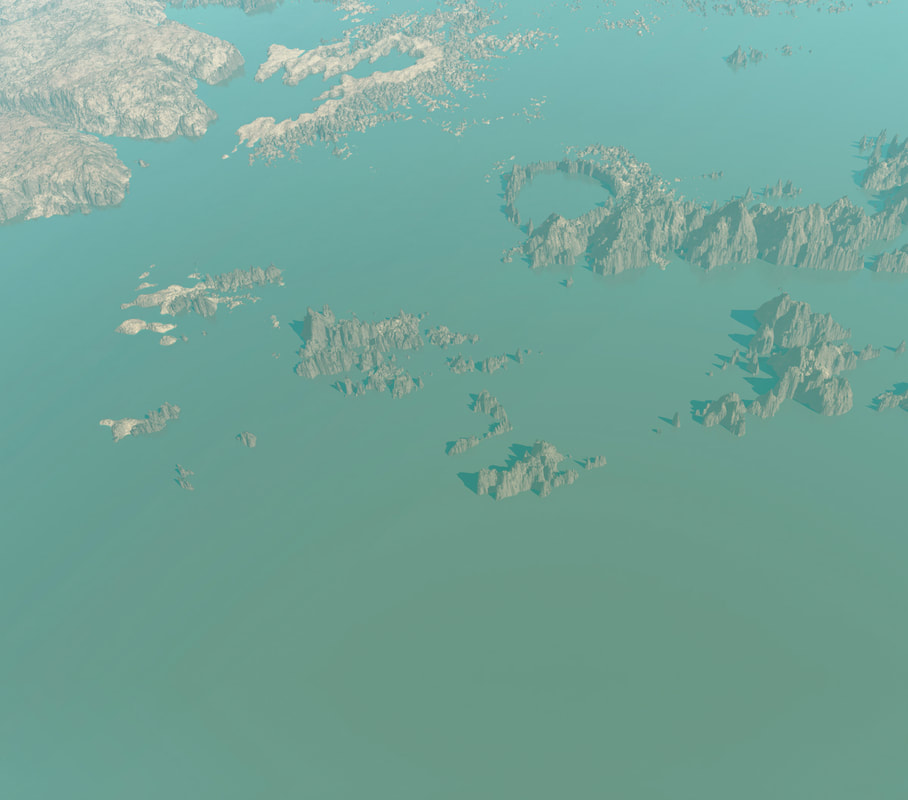
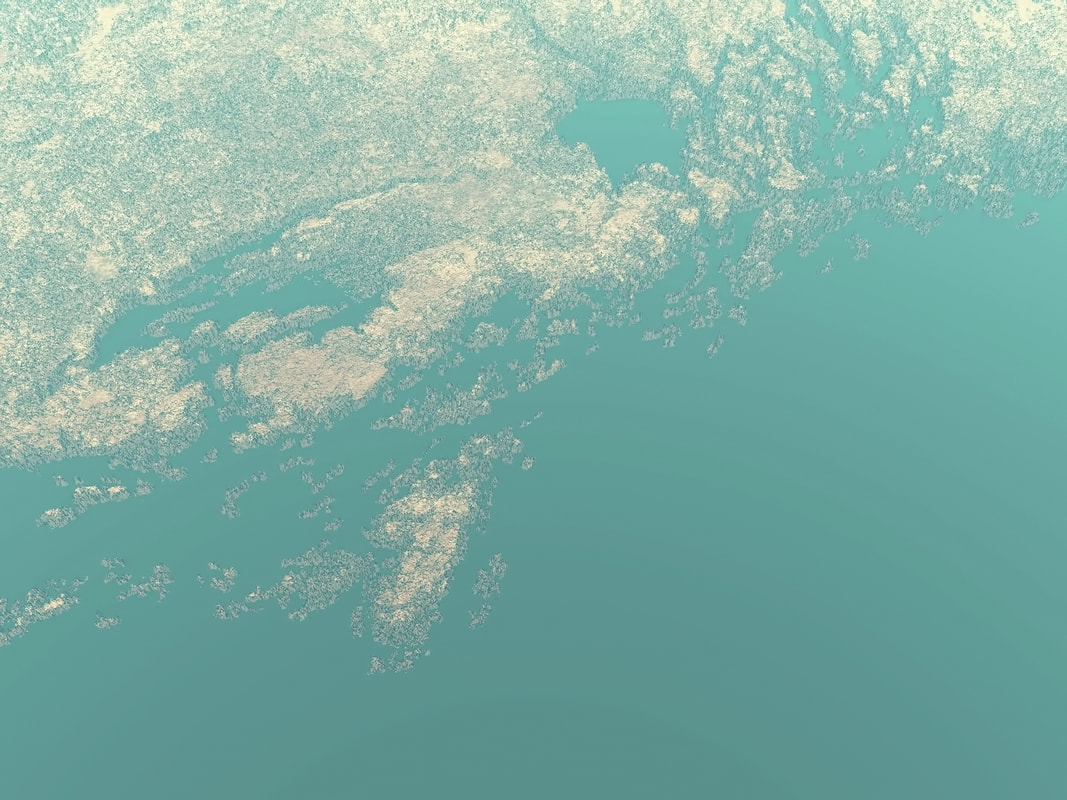
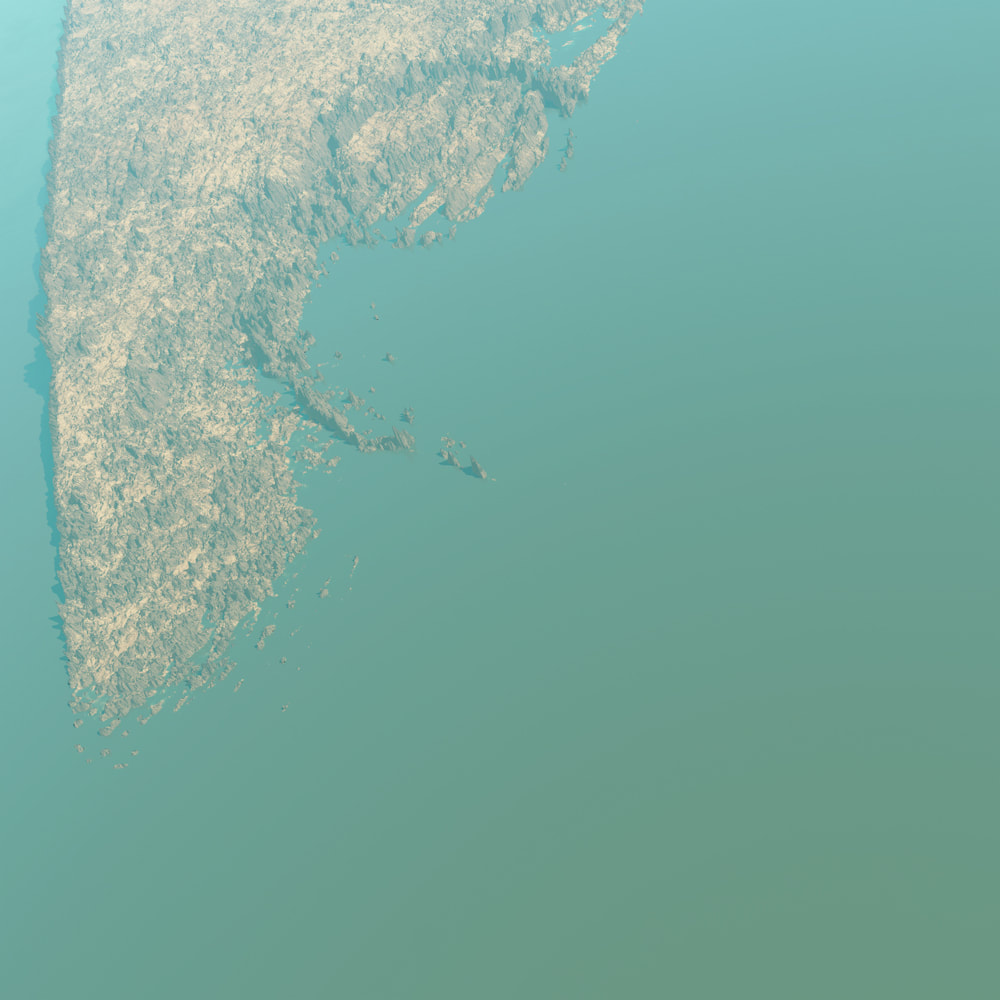
We must all experience the Odyssey of the spirit and cultivate our intellectual perception. In his most recent work, dominated by aquamarine and gold, a nature manifests that has managed to escape human grasp, revealing the absolute on and as a volcanic island. Diamond Head is so named because the sailors who discovered the island off the coast of Honolulu, Hawaii, thought the beach was strewn with diamonds. In reality, these were calcite crystals. They reacted no differently than the farmers in the quote, who are preoccupied with nothing but exploitation. In contrast, the aesthetic contemplation of the artwork allows the absolute to manifest itself to us and to use us to reveal itself. In doing so, Wesdorp responds to the command of the absolute and to Schelling's confession of faith, which states that nothing in the universe can remain oppressed, limited, or subordinated, and which claims for each thing its own special freedom.* Dieter Jähnig: Schelling II: The Truth Function of Art*
Excerpt from an essay by Eric Bolle from 2020, "A Philosopher Who Understands Me as an Artist". Friedrich Schelling & Marcel Wesdorp
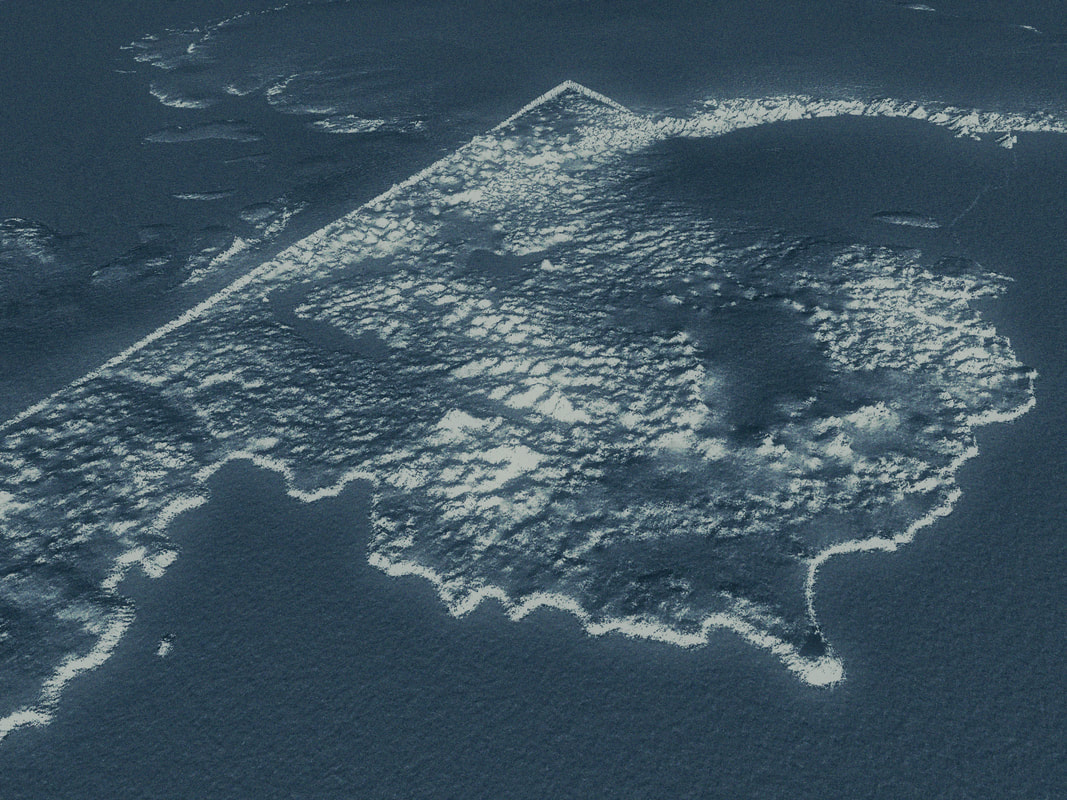
MIJN (mine) 2017 land resource POSSIBLE ENVIRONMENTS
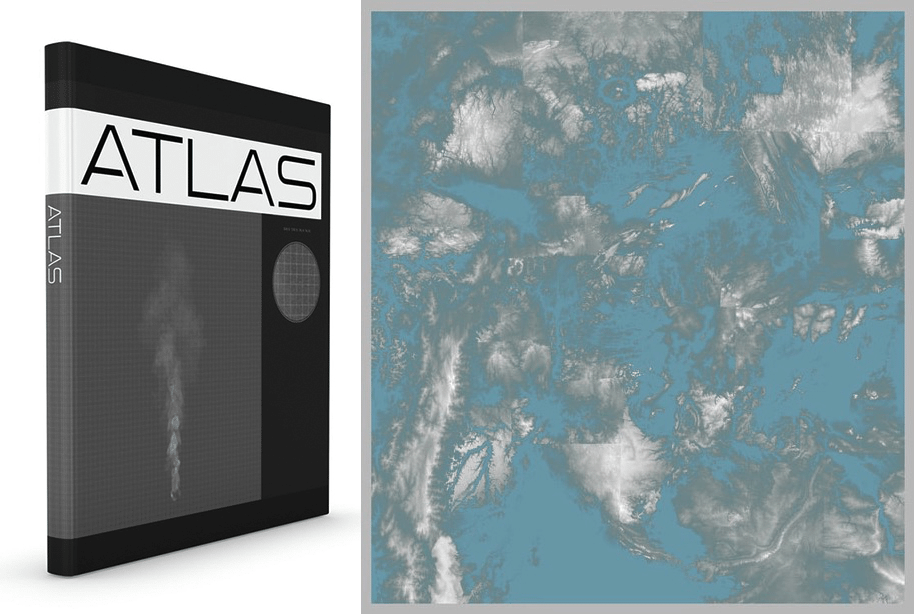
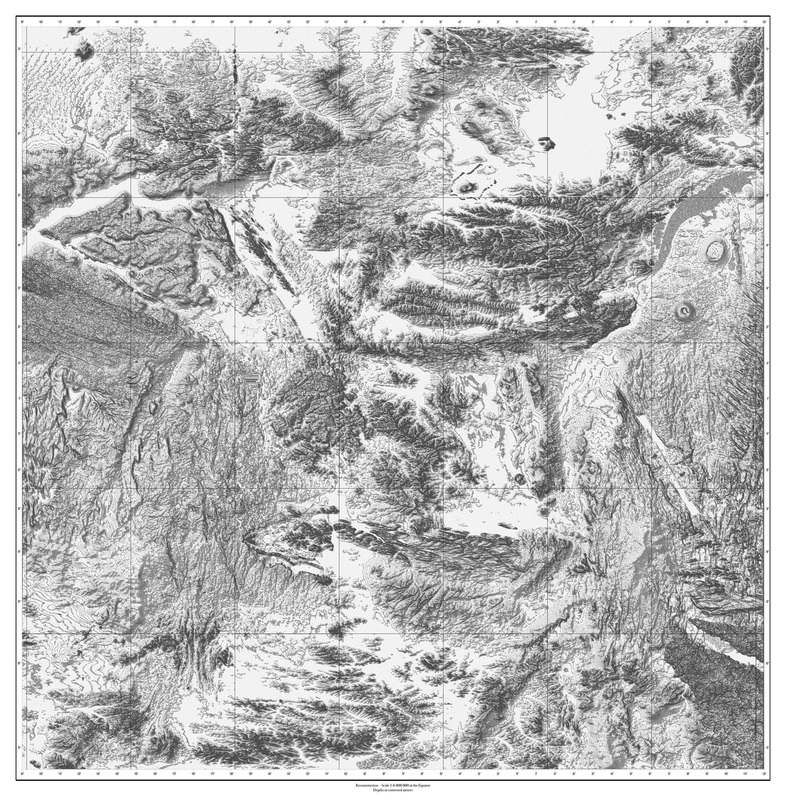
MIJN 2017 220 x 245 cm (1 arc Digital Elevation Data worldwide copper and diamond excavations) | ATLAS cover design 2022 | mijn ATLAS 2024 31 x 25 cm 110 pages work in progress
Mine etymology and a short text about Grasberg pdf
other aspects
CUBE I and CUBE II 2022 360°
Gray; as little as possible - Galerie de Slang / de Fabrique 2022 catalog
EMPEIRIA 2021
THE MATTER 2016 - 2022
CLOUDS 2017 - 2024
Clouds (digital surface) 2017 | 804.7023134 -119.7020505 0 (clouds) 2018 I Clouds coordinates book 2019 | Clouds map 2024
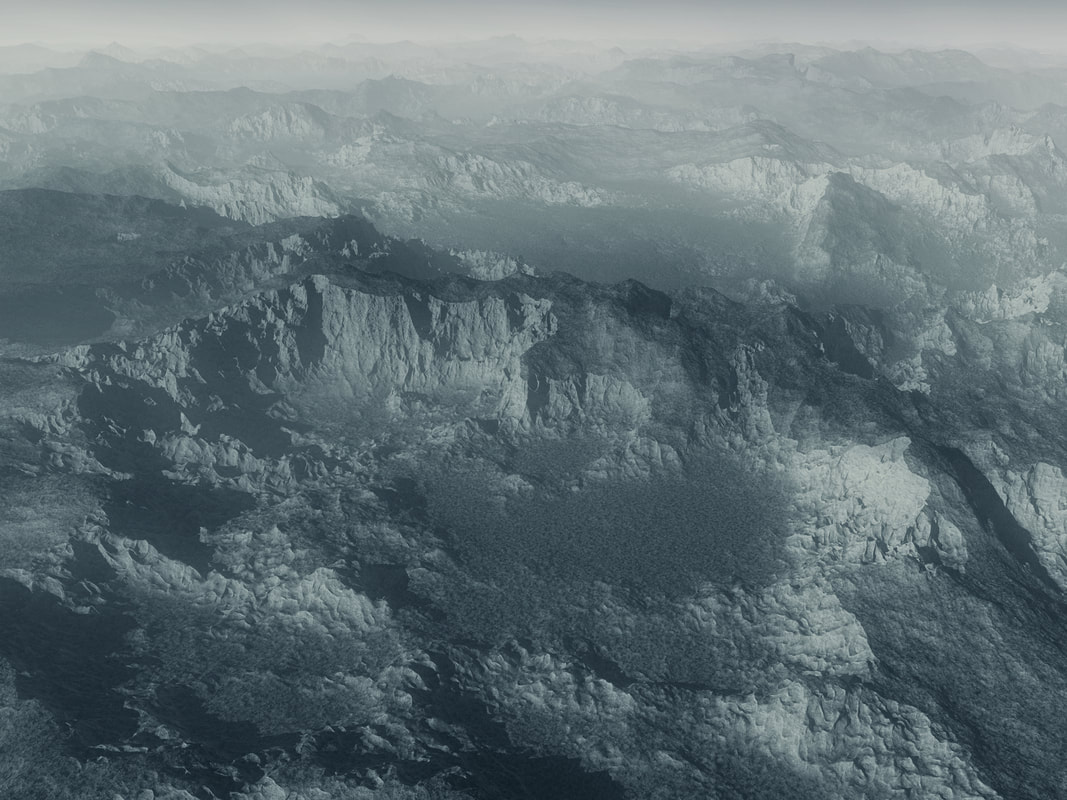
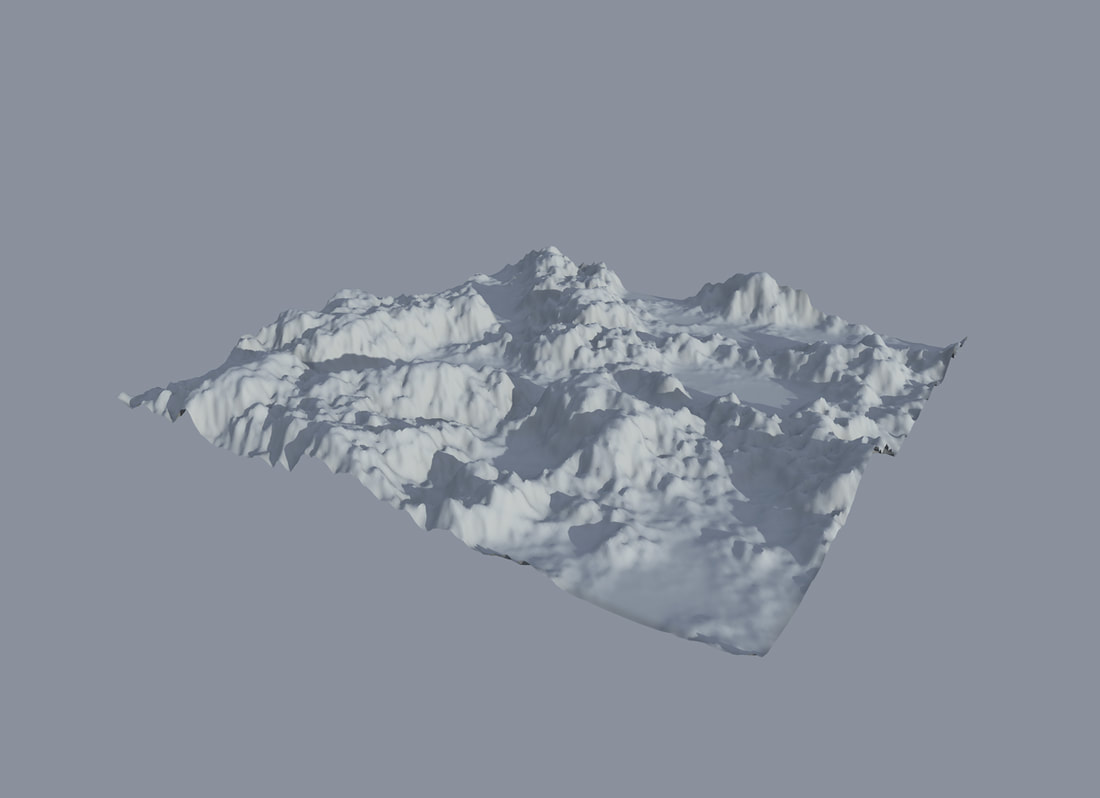
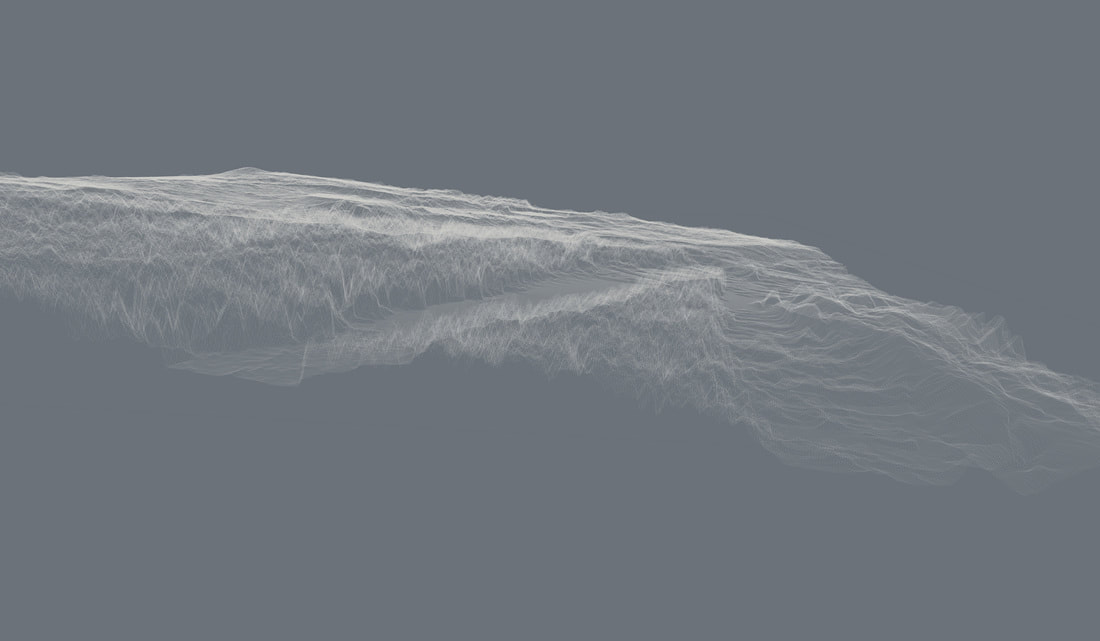
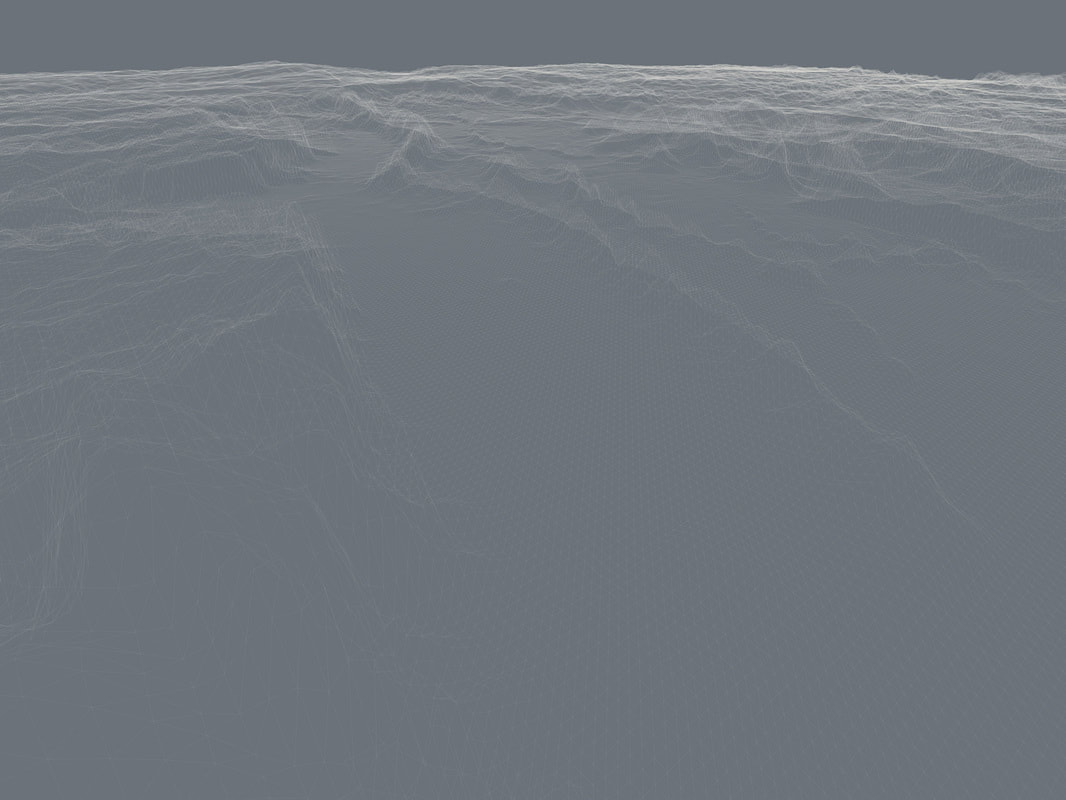
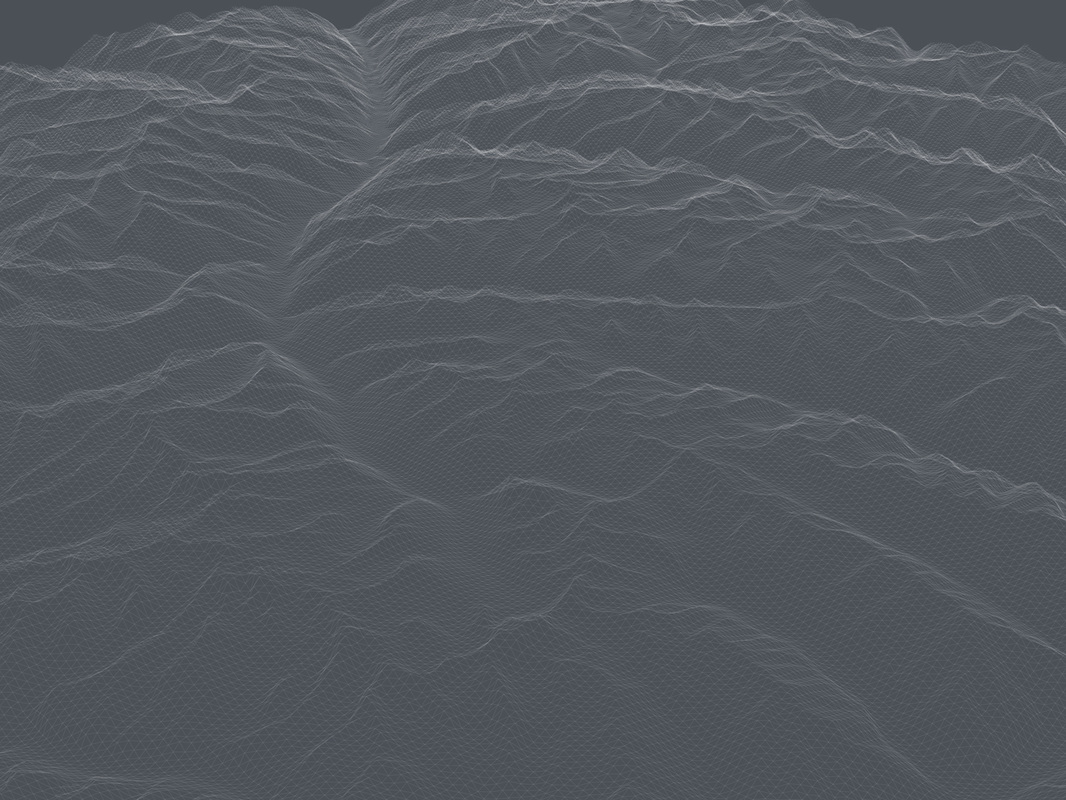
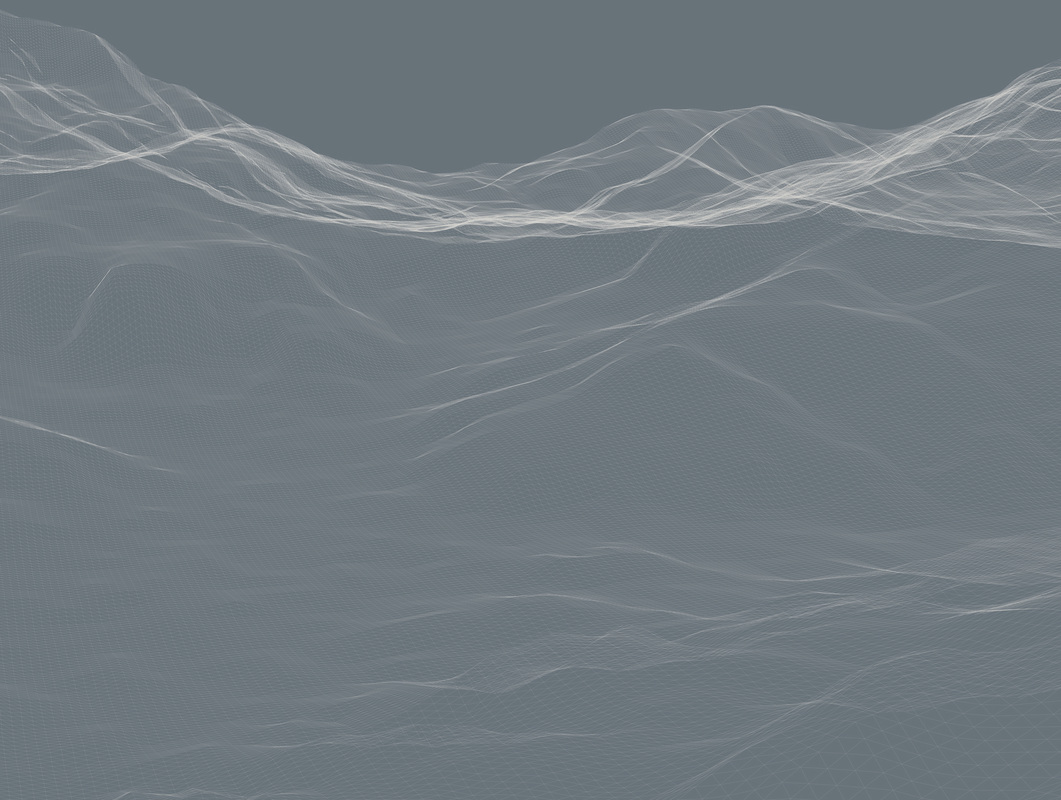
The landscapes, constructed from computer data, whose dizzying interplay of lines resemble a vast mountain range, are remarkable. Anyone expecting to gain a sense of direction by looking at the work's title — "804.7023134 -119.7020505 0" (clouds) — will be disappointed. Wesdorp plays with data, in this case cloud data, and amusingly manages to create a mountain landscape from it. Mountains: the ultimate natural landscape depicted in data that, surprisingly, allude to those still elusive yet alluring cloud formations.
Dan Dickhof - Jegens & Tevens 2019
At first glance, a work such as 804.7023134 -119.7020505 0 (clouds) appears to be a schematic 3-dimensional representation of a specific location. The XYZ coordinates that make up the titles of his works further fuel that idea. Yet that is not the case. They are inner worlds that could exist. Wesdorp creates his worlds from a first idea, and lets go of the process of a computer program. Wesdorp calls the transformation of the idea into the final work of art the essence of his work.
Wouter van den Eijkel - Gallery viewer magazine 2019
TILES 2015 - 2024
BEWIJSBARE MYTHEN 2018
in collaboration with the Dutch philosopher and Germanist ERIC BOLLE
MIND OVER MATTER 2016 - 2017
non-linear time-based film animation in twelve parts
takes, acts and movements
non-linear time-based film animation in twelve parts
takes, acts and movements
|
and as four screen (four walls)
This film installation will be shown for the first time at V2 in March 2026 in collaboration with the Dutch musician Reinier van Houdt. V2 is an interdisciplinary center for art and technology in Rotterdam the Netherlands. |
LE PLI 2017
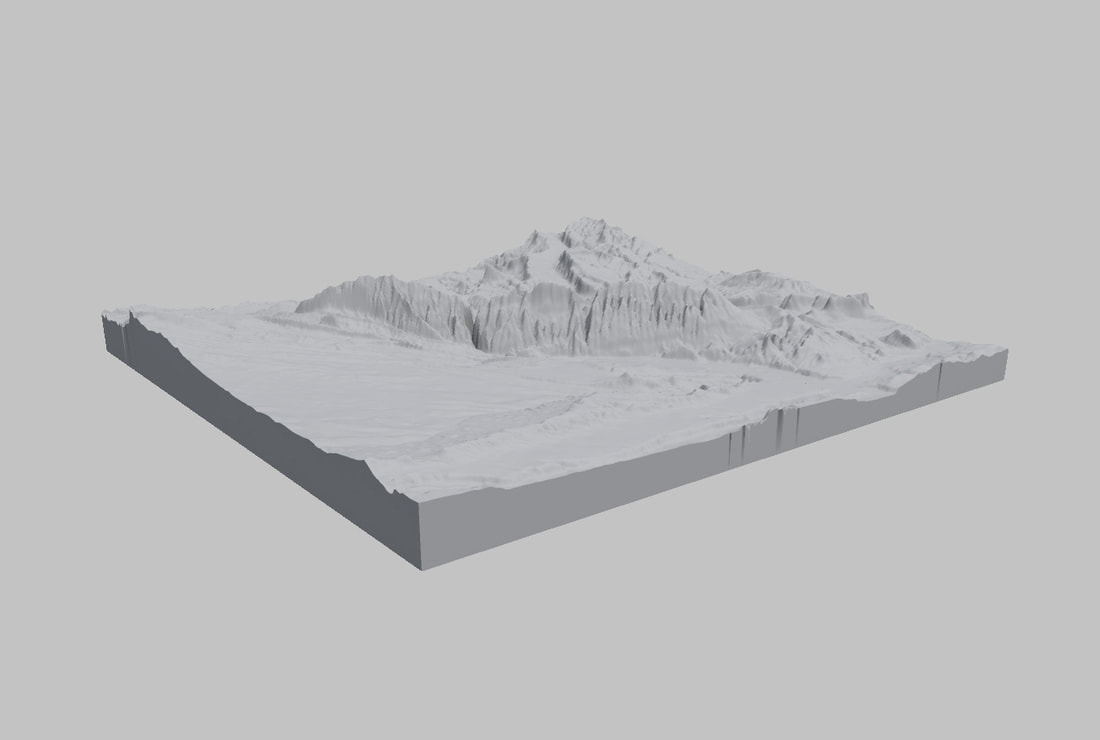
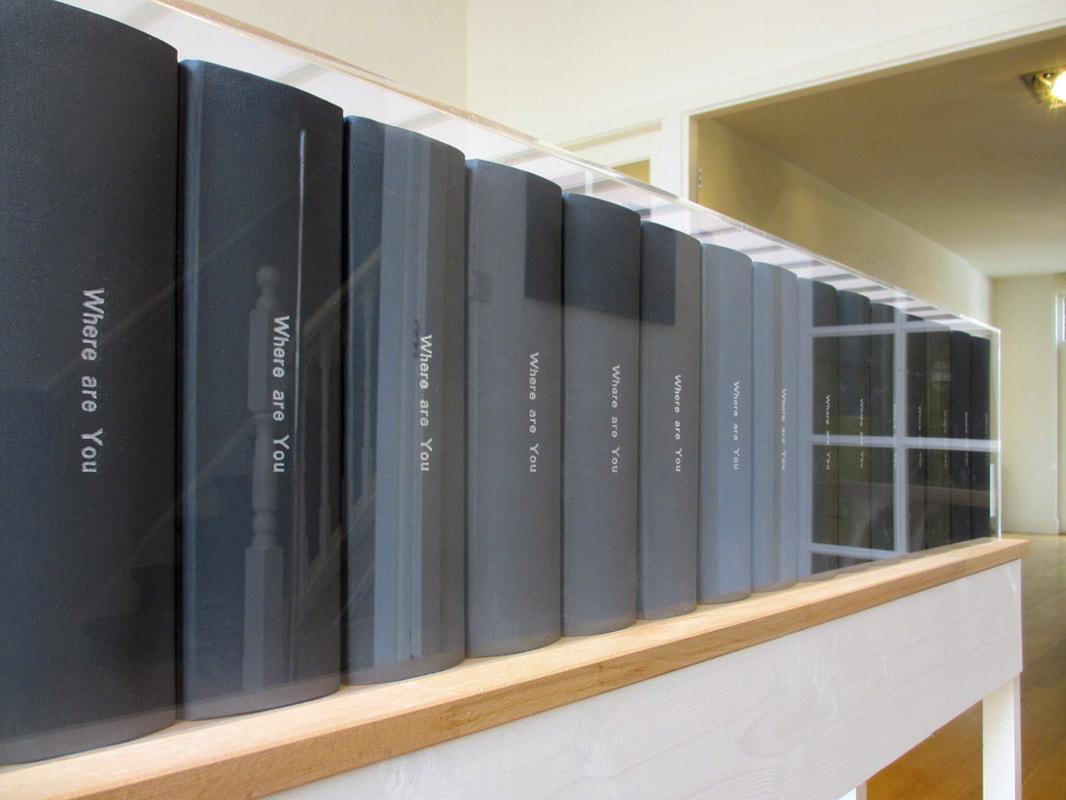
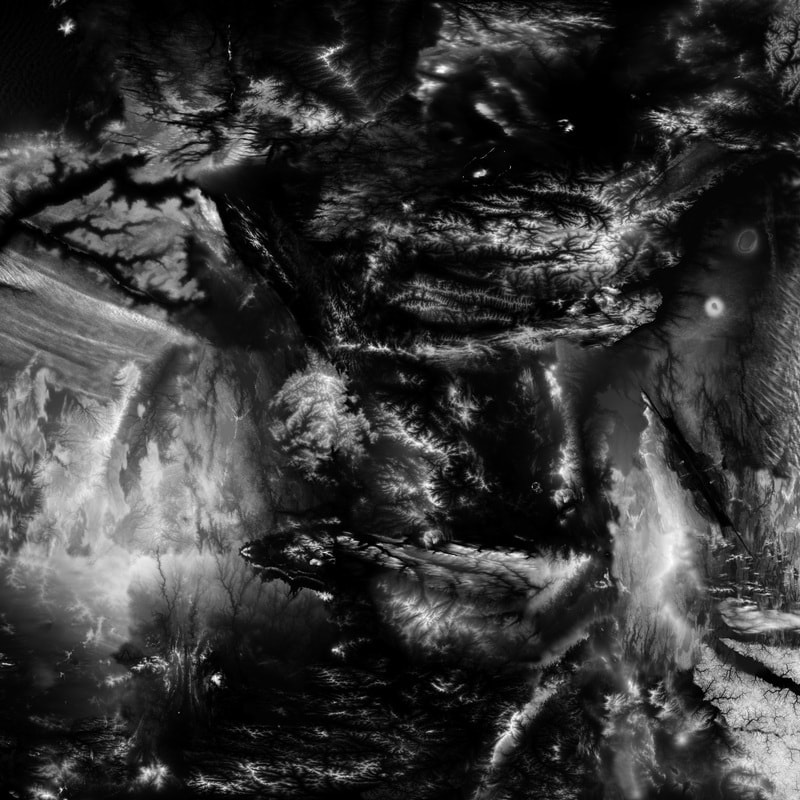
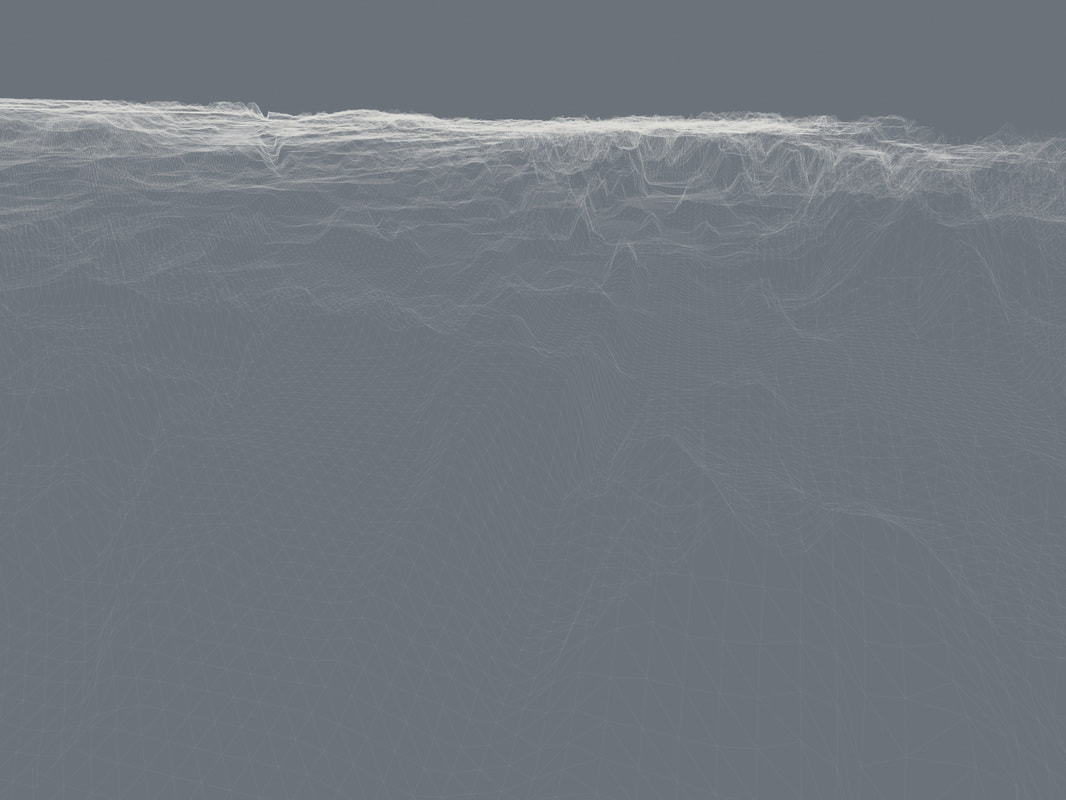
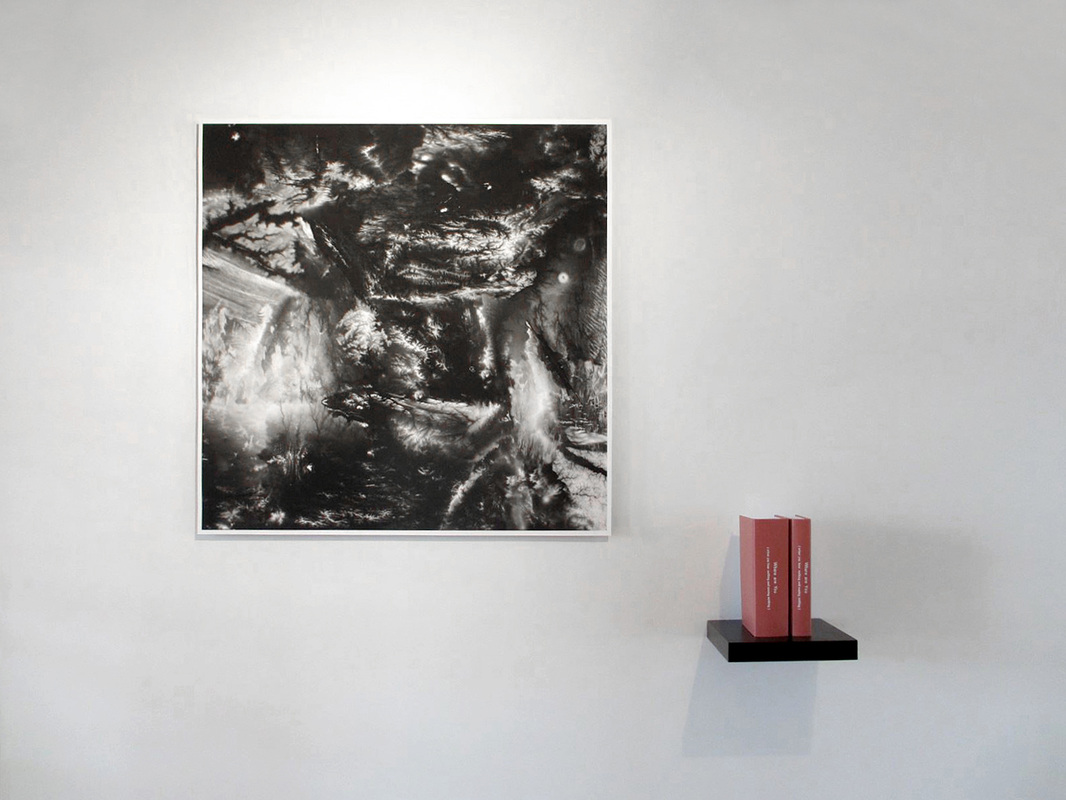
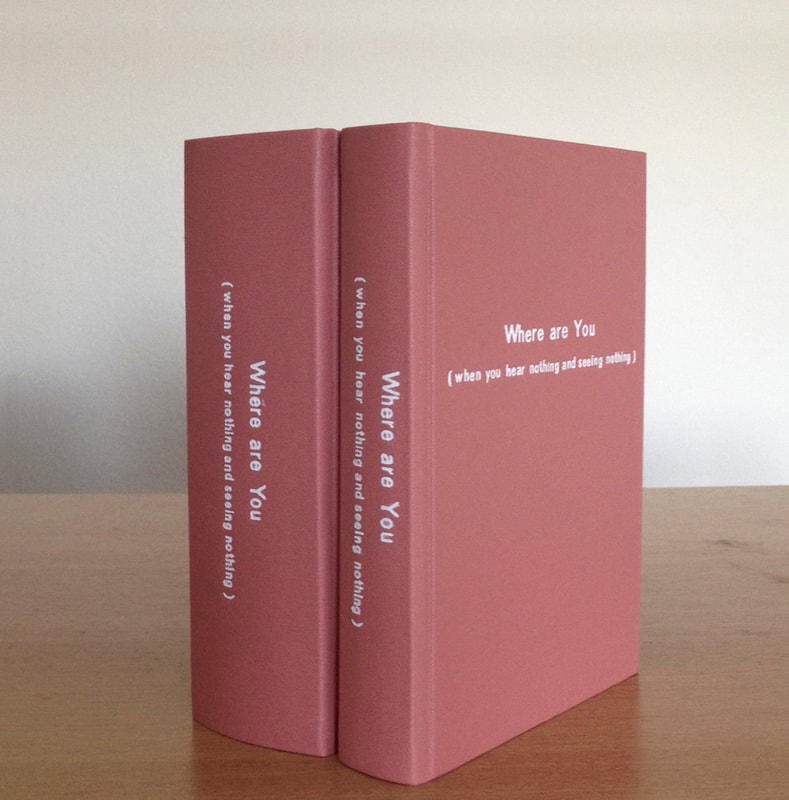
Wesdorp doesn't create computer art, but rather creates his own inner landscape. He does, and happily does, use digital files, which he manipulates as he sees fit. According to Hartmut Rosa (Unverfügbarkeit, Residenz Verlag 2019), the use of technology, regardless of its nature, need not impede resonance. Artists have always utilized the latest techniques. The remarkable thing about Wesdorp's art is that he manages to wrest entirely new, unique forms of unavailability from digitalization. Even series like Le pli and Where are you + PW, which are so visibly based on mathematization and digitalization and which you might think are ideally suited to show how alienated we have become from the landscape and its nature, are characterized by a mysterious, familiar atmosphere of inwardness and spiritualization. Excerpt from an essay by Eric Bolle from 2019 Guardian of the unavailable. Marcel Wesdorp and the art of our time
other aspects
|
AREA 2017
|
UNTITLED DRAWING 2015
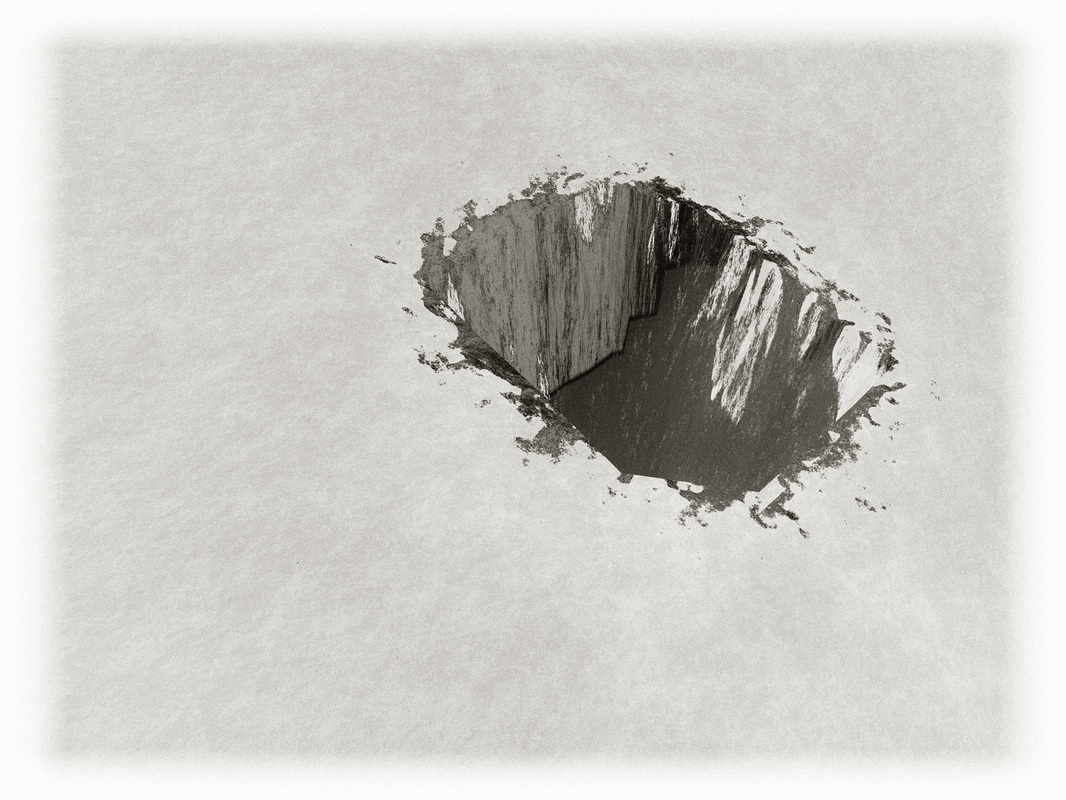
50 x 38 cm in a edition of two | as book cover at the Academic and Scientific Publishers Brussels 2016 | the hole in the ground is taken from the film Out of Nothing (2010) | the hole is one pixel on the digital surface work file
WHERE ARE YOU 2014 - 2016
|
WORK PROCESS 2014 - 2017 OTHER PAGE
|
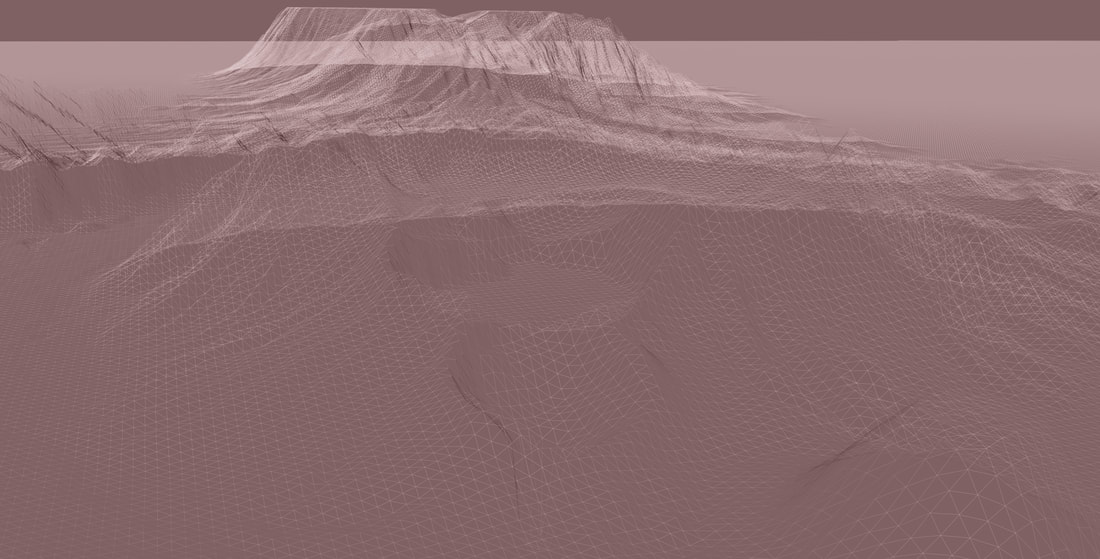
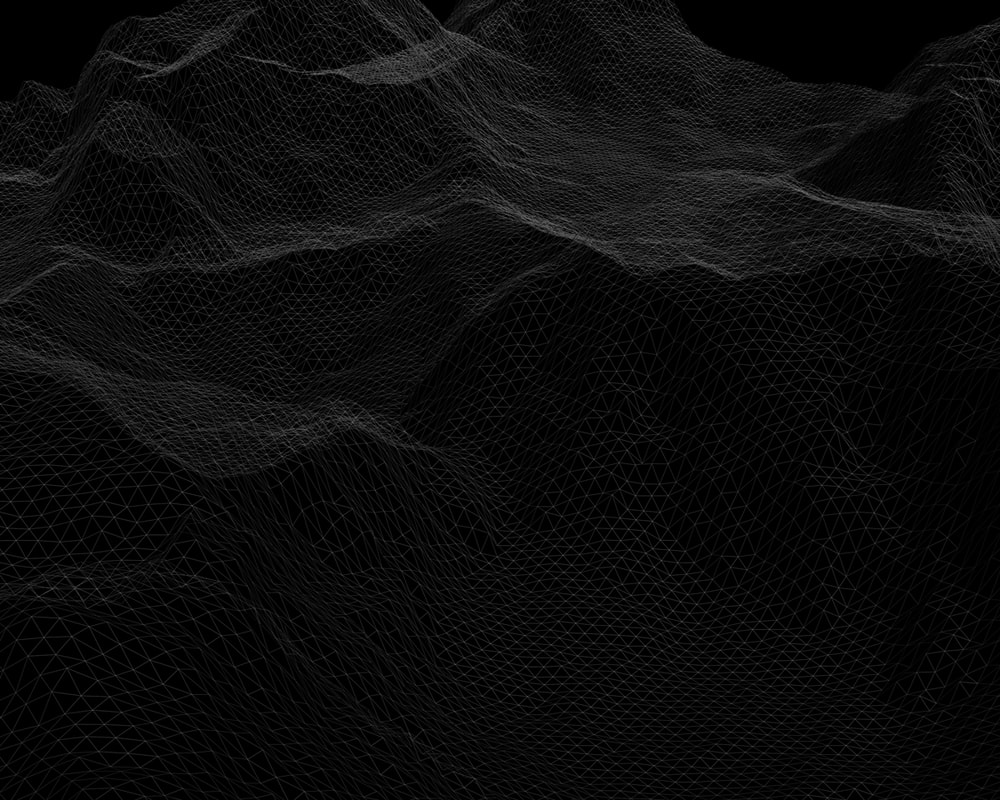
POLYGON WIREFRAME (pw serie: Artist Proofs) 2013 - 2014
I WISH I COULDN'T LIE / OUT OF NOTHING
2006 - 2020
2006 - 2020
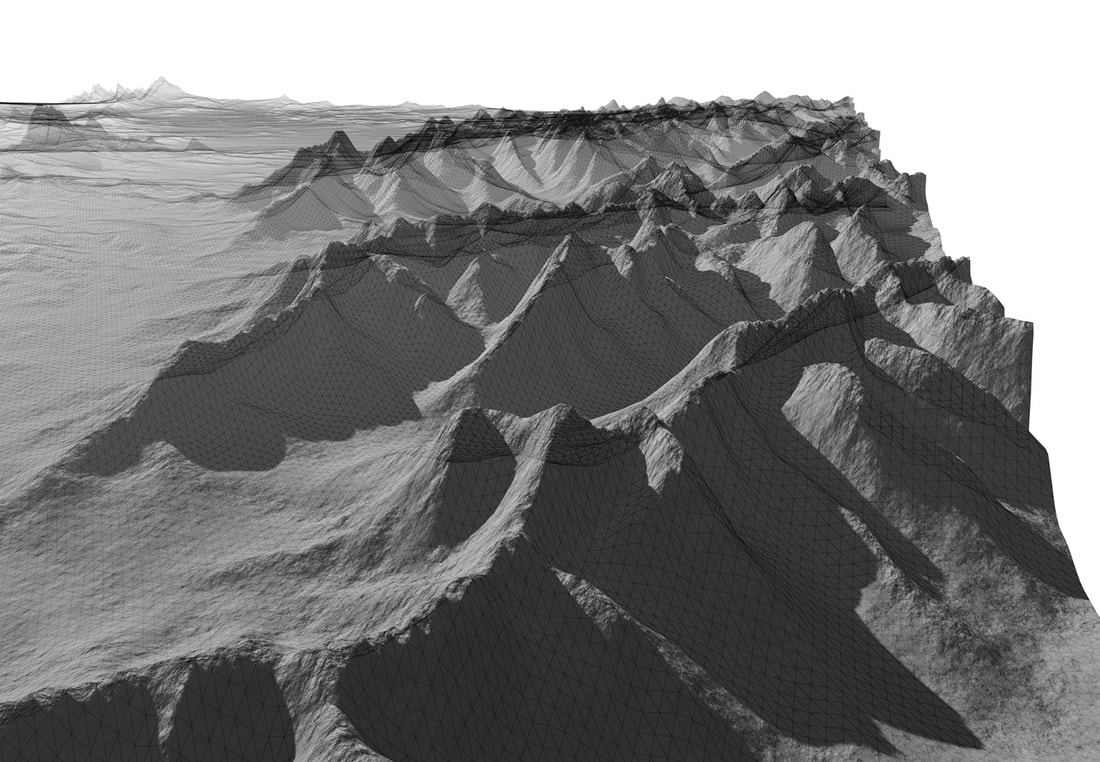
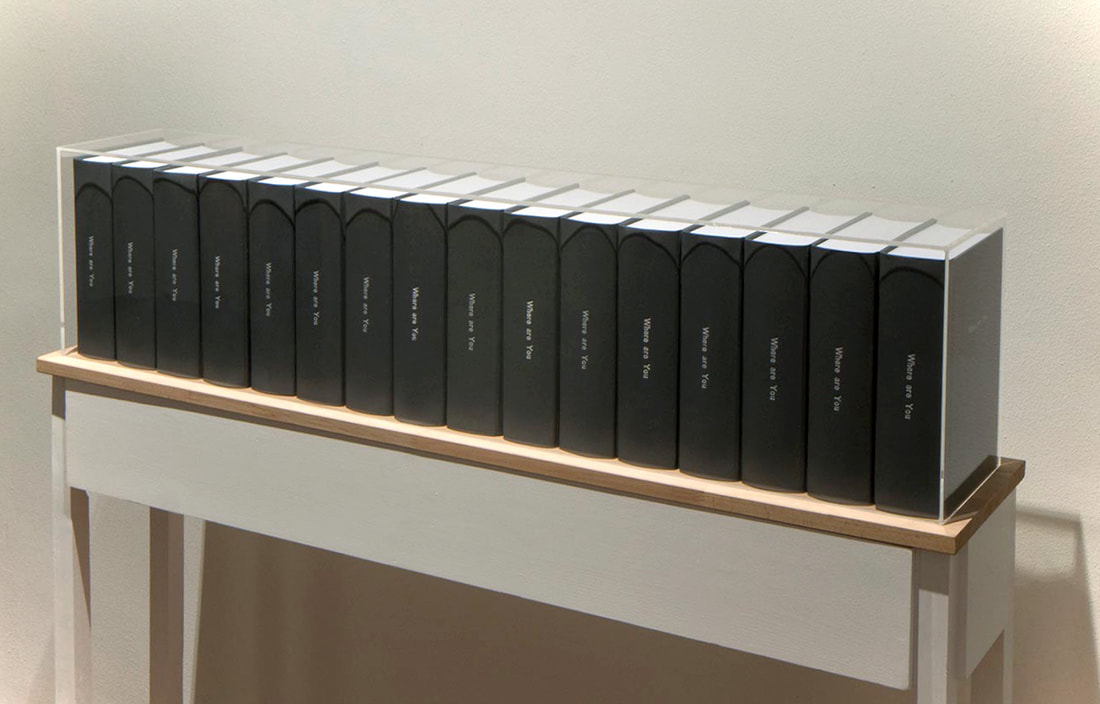
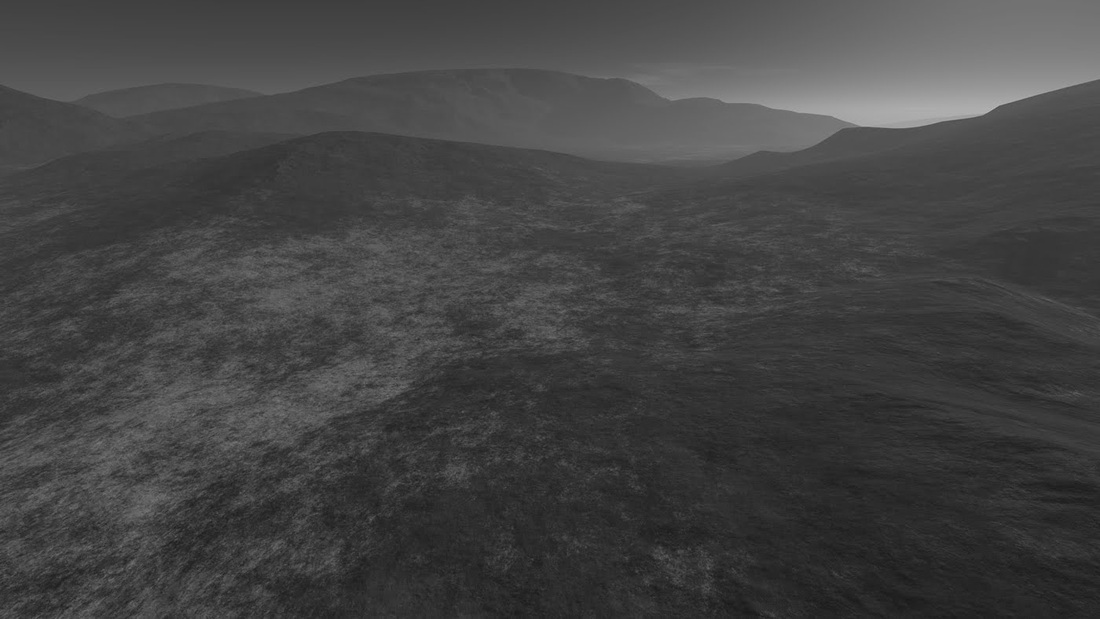
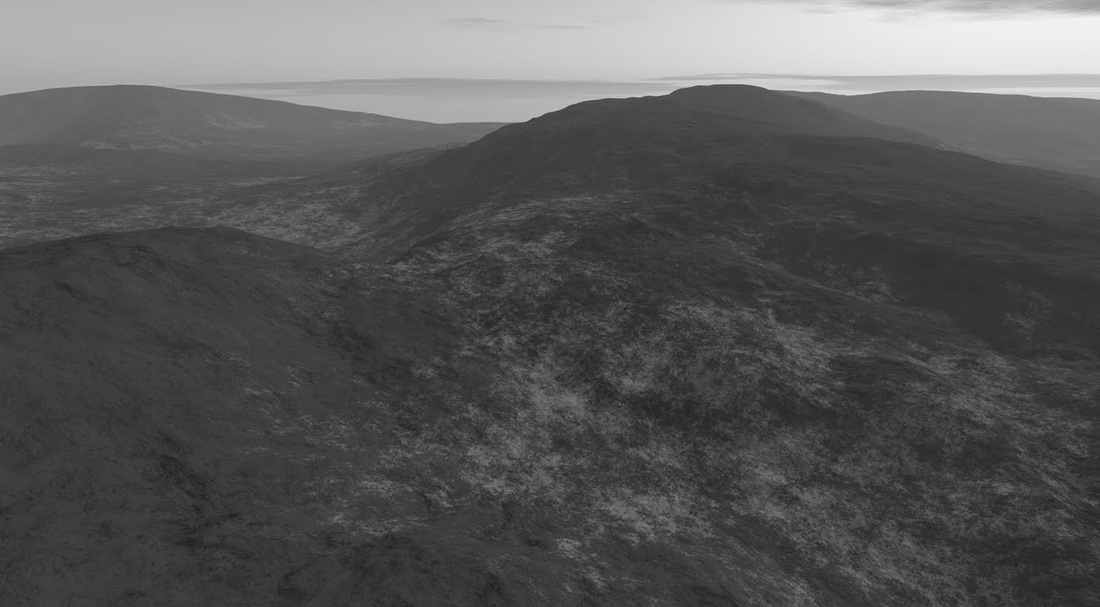
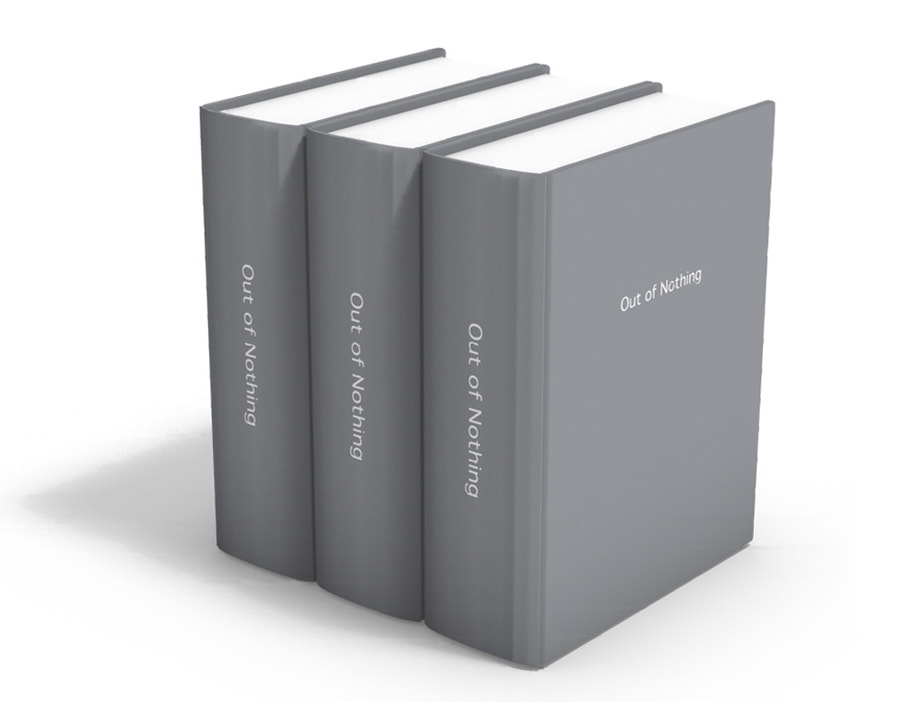
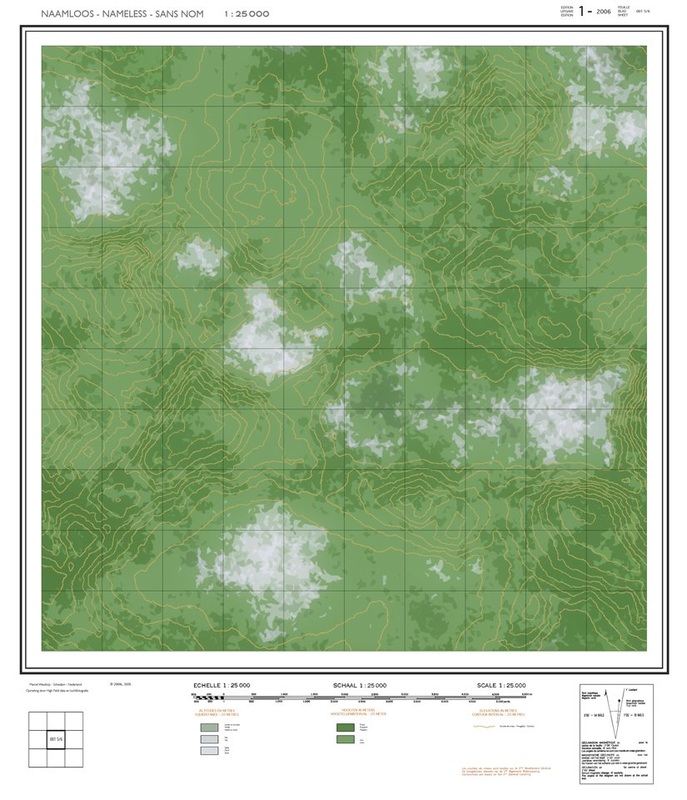
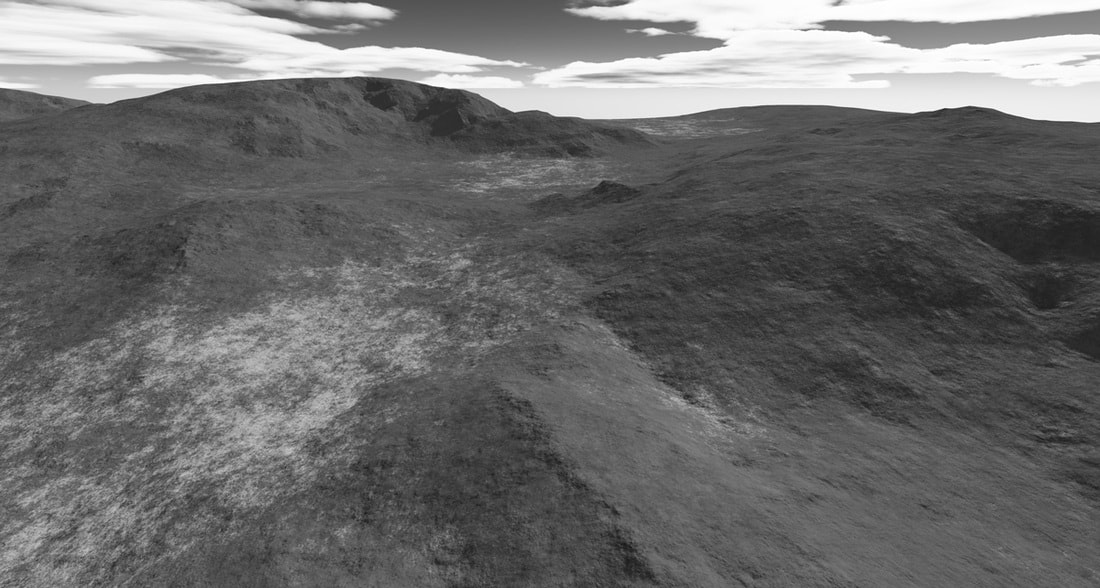
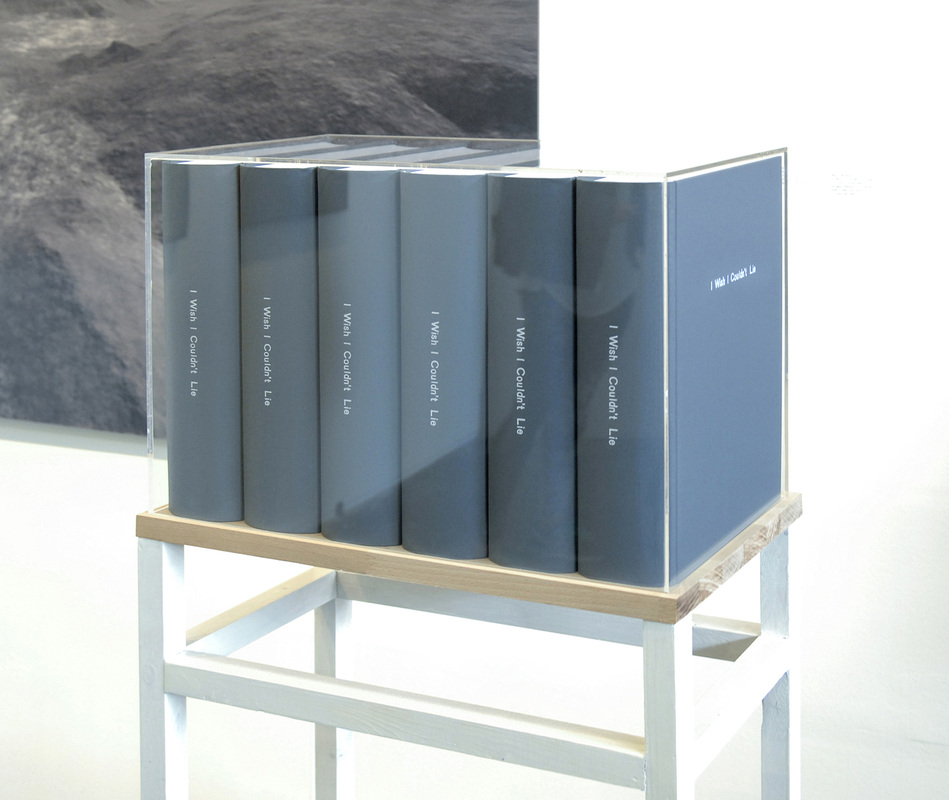
x4207.44 y2809.41 z258.51 - it's good to say such a title out loud - it seems rather unromantic for such an overwhelming landscape, but I dare say nothing could be further from the truth. Like the card indexes of conceptual artists like Stanley Brouwn, such computer coordinates harbor the romance of infinity, the desire to make the sublime experience of infinity and timelessness tangible and imaginable. The photographs and films are travelogues of a wandering through a self-made virtual space, a space that can actually be captured quite concretely in numbers - in bytes and coordinates - but which is simultaneously utterly intangible. We see landscapes that don't exist - computation of a process hidden deep within a calculating machine called a computer. To dwell in that space is only possible by feeding the imagination with seeing: like Brouwn's work, it is a psychogeographical adventure. This work too could be seen as an attempt to disappear, to escape the here and now and merge into an endless virtual universe. But even this desire to disappear is, of course, doomed to failure. However overwhelming and convincing the landscape in the photos and films, however impressive a 7,572-page script bound in six thick volumes, we also know it's make believe. We know there are limits to this virtual world, that we're looking at something tangible and concrete, we know that the endlessness suggested in relation to the unimaginable infinity is only very limited. And yet, even this form of Advanced Failure is highly attractive, seductive, compelling… It's an imaginary space we long to enter, a longing to be detached from everything for a moment and feel at one with everything. Sometimes we all want to disappear. Entering that space is only possible in art and therefore an illusion - fortunately a powerful illusion, but also one that evokes romantic melancholy because, after all, we are ordinary people and have to face our limitations.
Excerpt from Across the opposite by Ludo van Halem 2014
Where the German Romantic painter Caspar David Friedrich (1774-1840) still had a figure gazing at an inhospitable landscape, with whom you could relate as a viewer, with Wesdorp you are the viewer yourself, standing both before and almost within the landscape as you immerse yourself in it. You might also think of the paintings of Mark Rothko, which simultaneously seem to want to draw the viewer in. Wesdorp's work, however, doesn't immediately involve a similar abstraction; it depicts a virtual, or rather, alternative, reality. It shows a landscape that could actually exist—Wesdorp even specified its coordinates - that inspires awe and, moreover, exerts an enormous pull, but that lives on only in the viewer's mind and tends to merge with it. This is all the more noticeable in Wesdorp's slow-moving films. As a viewer, you are surrendered to the slow pace of watching, almost scanning the landscape with your gaze. Once you've adapted to the film's slow movement and accepted the accompanying soundscape as natural rather than alienating, you'll eventually find it difficult to tear yourself away. Wesdorp himself emphasizes that, in his view, the artist doesn't offer a mirror of society - as commentators sometimes assume or demand - but rather that art offers a mirror of humanity. Wesdorp's work truly demonstrates this striving to draw the individual into an image that appears real but is, in fact, purely internal.
Excerpt from an essay by Bertus Pieters from 2020, The Hills of Emptiness
I WISH I COULDN'T LIE / OUT OF NOTHING
INTERVENING AREA (tussengebied) 2008 - 2012
I WISH I COULDN'T LIE / OUT OF NOTHING
41 drawings (studies) 2009
I WISH I COULDN'T LIE / OUT OF NOTHING
linear time-based film animation triptych 2006 - 2012
|
I Wish I Couldn’t Lie
2006 - 2008 04:43 hour 1280 x 720p / 1920 x 1080p 2024 |
|
FIRST AND SECOND VERB 2005 - 2025
John Cage - 4’33” (1952) | Marcel Wesdorp - 0’40” (2005)
PHOTO DRAWINGS 2007 - 2013
in collaboration with SARAH VAN DER POLS
SELECTION FROM THE ARCHIVES 2002 - 1992
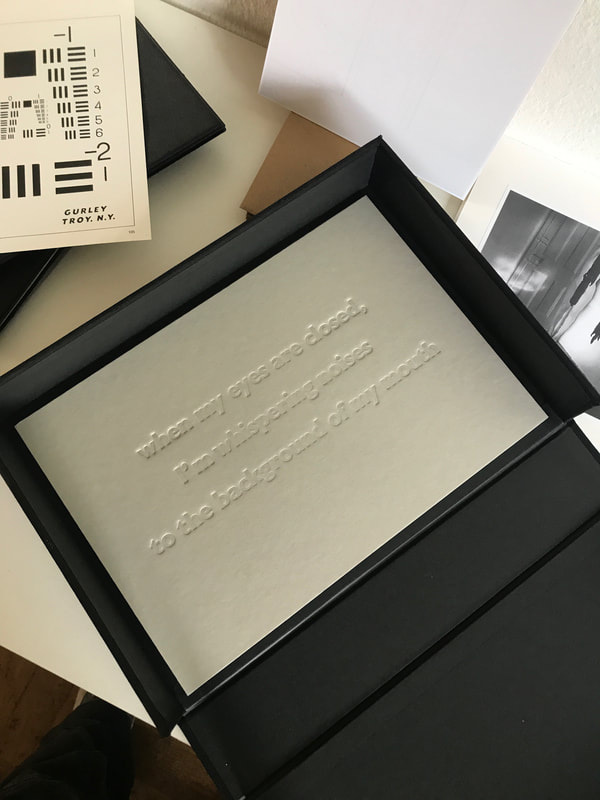
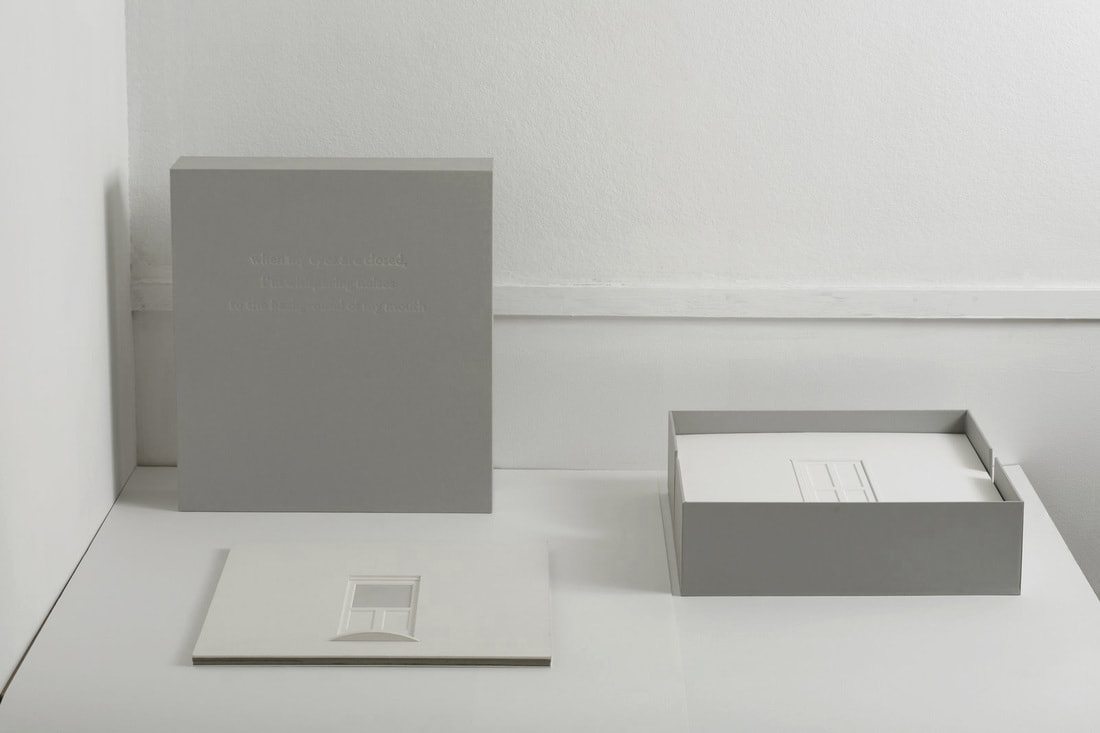
WHEN MY EYES ARE CLOSED, I'M WHISPERING NOISES TO THE BACKGROUND OF MY MOUTH
2000 - 2004
2000 - 2004
YPORT (49.74202, 0.3033934) 1998 (photos) 2002 (photos printing)
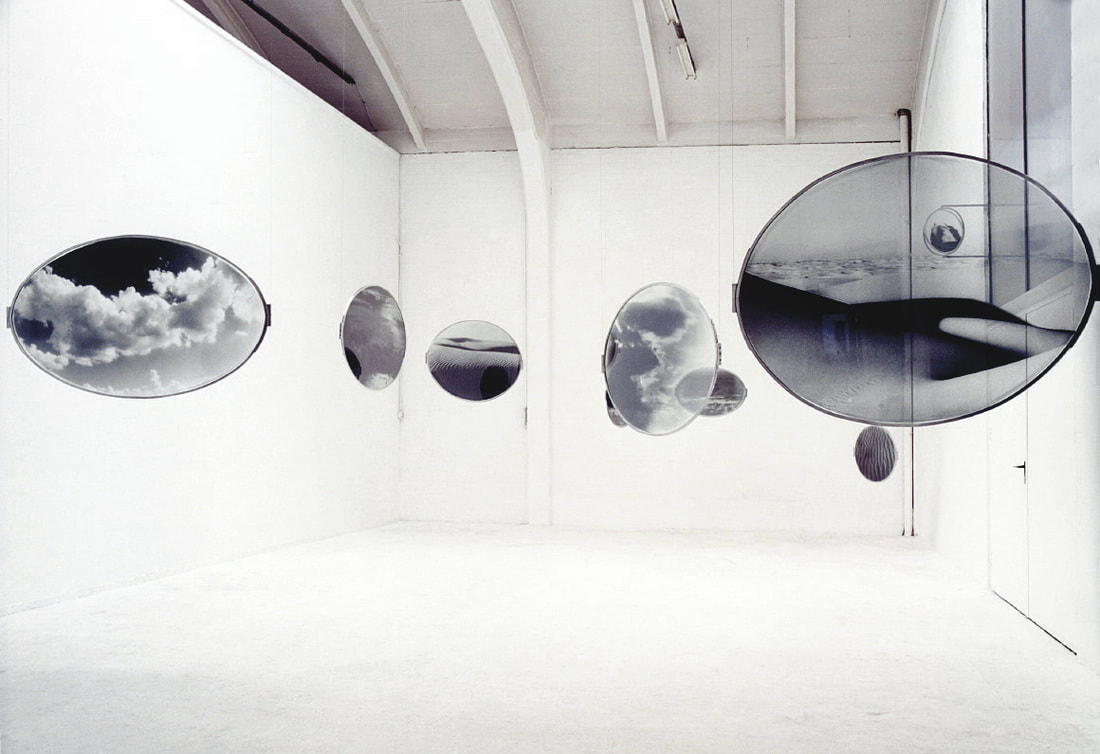
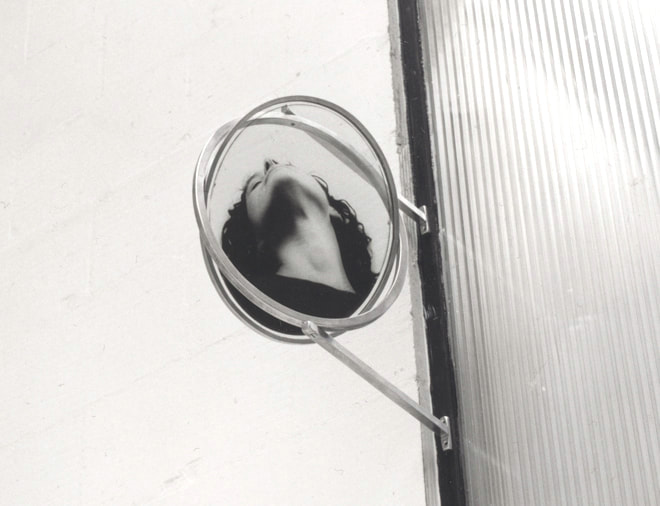
'BUT NO ONE WAS SO KNOWN IN HER VOICE' 1996 - 1999
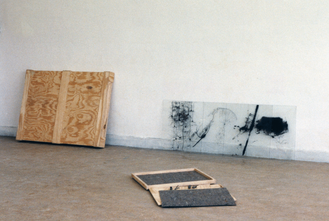
nine pieces from 40x44 to 110x162 cm.
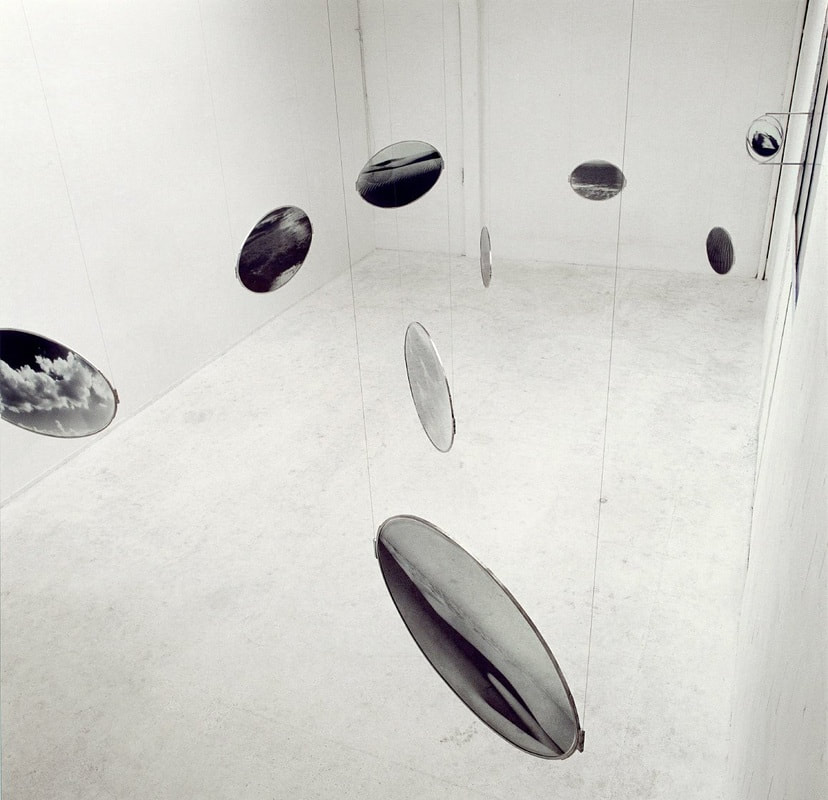
photographic emulsion on glass, aluminum, steel wire (a second glass plate isolates the film layer)
ACADEMIC YEARS
ERRORES 1993 | A BOOK 1993 | CONTACTEN 1993
|
ARCHIVE 1990 - 1995
|
ARCHIVE 1996 - 2005
|